
To legally operate a business in Sint Maarten, you need to register with the appropriate government registry, join the Chamber of Commerce (COCI), and — depending on the industry — secure a sector-specific business license through TEATT. Here’s the full Sint Maarten business license process I went through myself.
Getting a Sint Maarten business license starts with your citizenship status. The process changes depending on whether you’re Antillean-born, non-Antillean-born, a US citizen using the DAFT Treaty shortcut, or a Canadian on the standard non-Antillean route. Below is what I learned during my own Sint Maarten business setup — including which forms I filed, the order they go in, and the realistic timeline for both US and Canadian applicants.
Register your Sint Maarten business through a notary. They handle legal documents and company formation.
All Sint Maarten businesses must register with the Chamber of Commerce (COCI).
Apply through the Ministry of TEATT. Some industries (restaurants, hotels, casinos, banks) require sector-specific licenses.
Set up a business bank account with a local Sint Maarten bank to manage finances.
Register with the Sint Maarten Tax Office to handle your business taxes legally.
Register your employees with SZV (Social & Health Insurance) as required by law.
Valid passport ID card Census registration Business license (if required)
Certain businesses like restaurants, casinos, and banks require special licenses.
Business name check Submit Model A form Pay registration fee ($175)
Open bank account and register for CRIB number at the Tax Office.
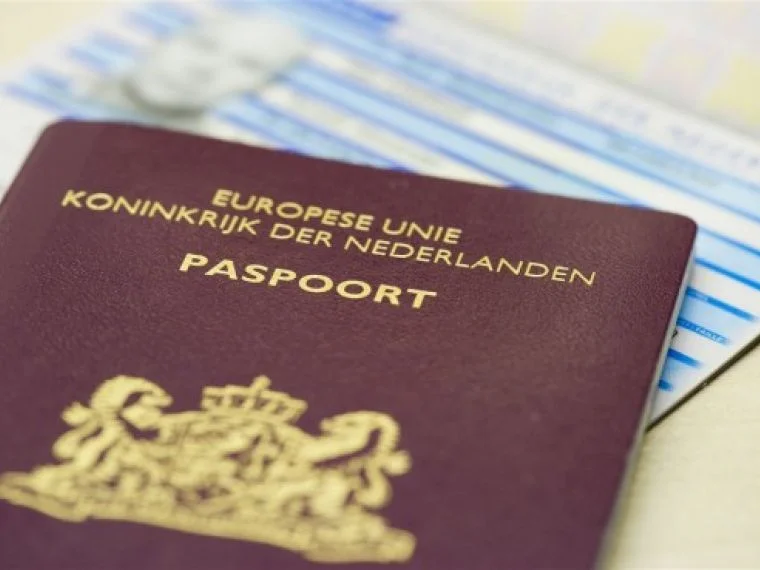
Must live 10 years in Sint Maarten OR have a Dutch passport.
Get a finalization letter before applying to COCI.
Passport ID Census registration TEATT approval letter
Complete name check, submit Model A form, and pay fees.
Open a business bank account, get CRIB number, and register for insurance.
"Antillean-born" refers to individuals born in Aruba, Bonaire, Curaçao, Sint Maarten, Saba, St. Eustatius or the former Netherlands Antilles. From friends I've helped with Sint Maarten business setups, the licensing process is more straightforward for them — fewer residency documents, faster COCI registration. The available business structures (sole proprietorship, LLC, NV) are identical regardless of citizenship.
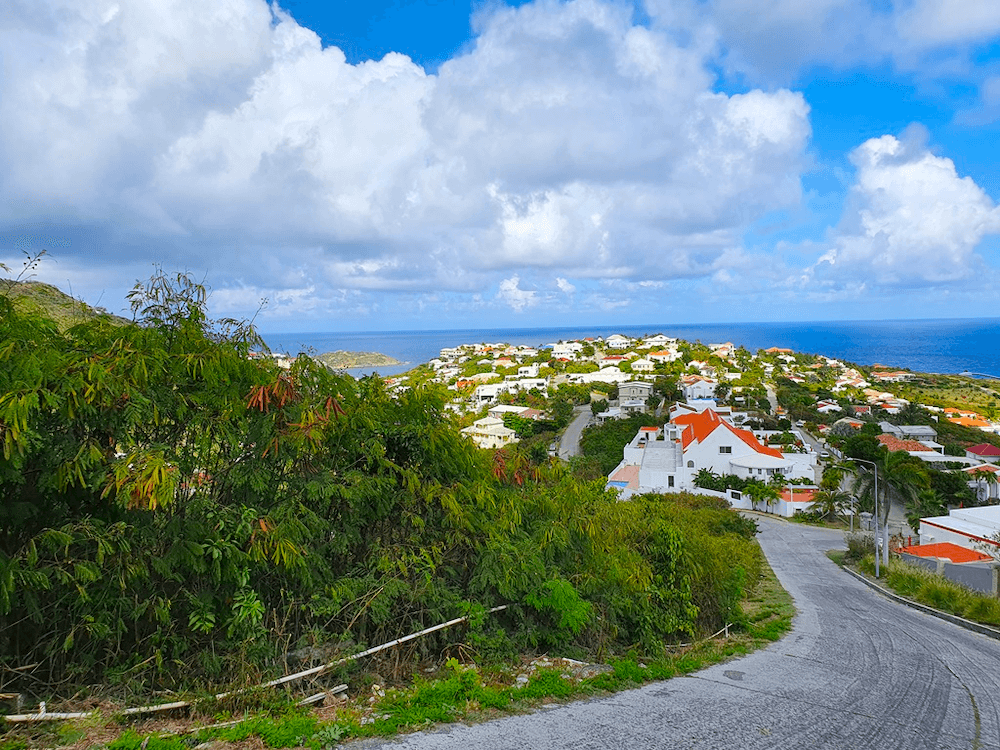

"Non-Antillean-born" includes individuals born in the Netherlands itself (even Dutch nationals), the US, Canada, the UK, and everywhere else. As a non-Antillean myself, I navigated this path when I started my Sint Maarten business. The biggest difference: more documentation up front, and (for non-DAFT applicants) a residency timeline before you can register. US citizens have the DAFT Treaty shortcut. Canadian buyers and other non-Antilleans take the standard route — apply for a residence permit first (self-employed, retiree, or financially independent), then register the business once your residency is approved. I help both US and Canadian buyers walk through the right sequence — see the residence permit page for the residency step.
to save your favourite homes and more
Log in with emailDon't have an account? Sign up
Enter your email address and we will send you a link to change your password.
to save your favourite homes and more
Sign up with emailAlready have an account? Log in