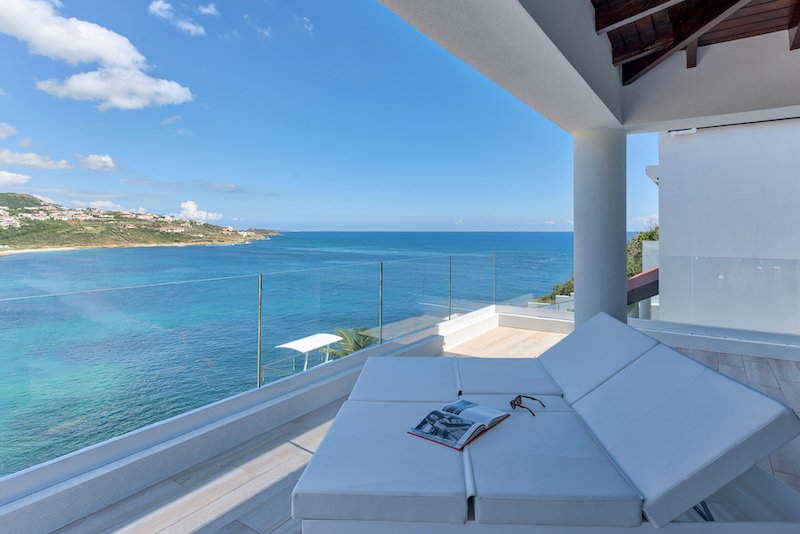
Relocating to Sint Maarten as a U.S. citizen made easy. Learn about visas, work permits, housing, and building your life on this Caribbean paradise.
Moving to Sint Maarten as a U.S. citizen was one of the best decisions I’ve ever made, but I’ll be honest—I had no clear roadmap at first. I spent countless nights researching how to navigate relocating to Sint Maarten, including visas for US citizens, work permits, and figuring out whether living in Sint Maarten long-term was realistic.
Here’s what I learned: thanks to the Dutch-American Friendship Treaty (DAFT), moving to St Maarten as an American is much more accessible than most people think. This treaty allows U.S. citizens to live, work, and start businesses on the Dutch side of the island, making relocation to Sint Maarten significantly easier.
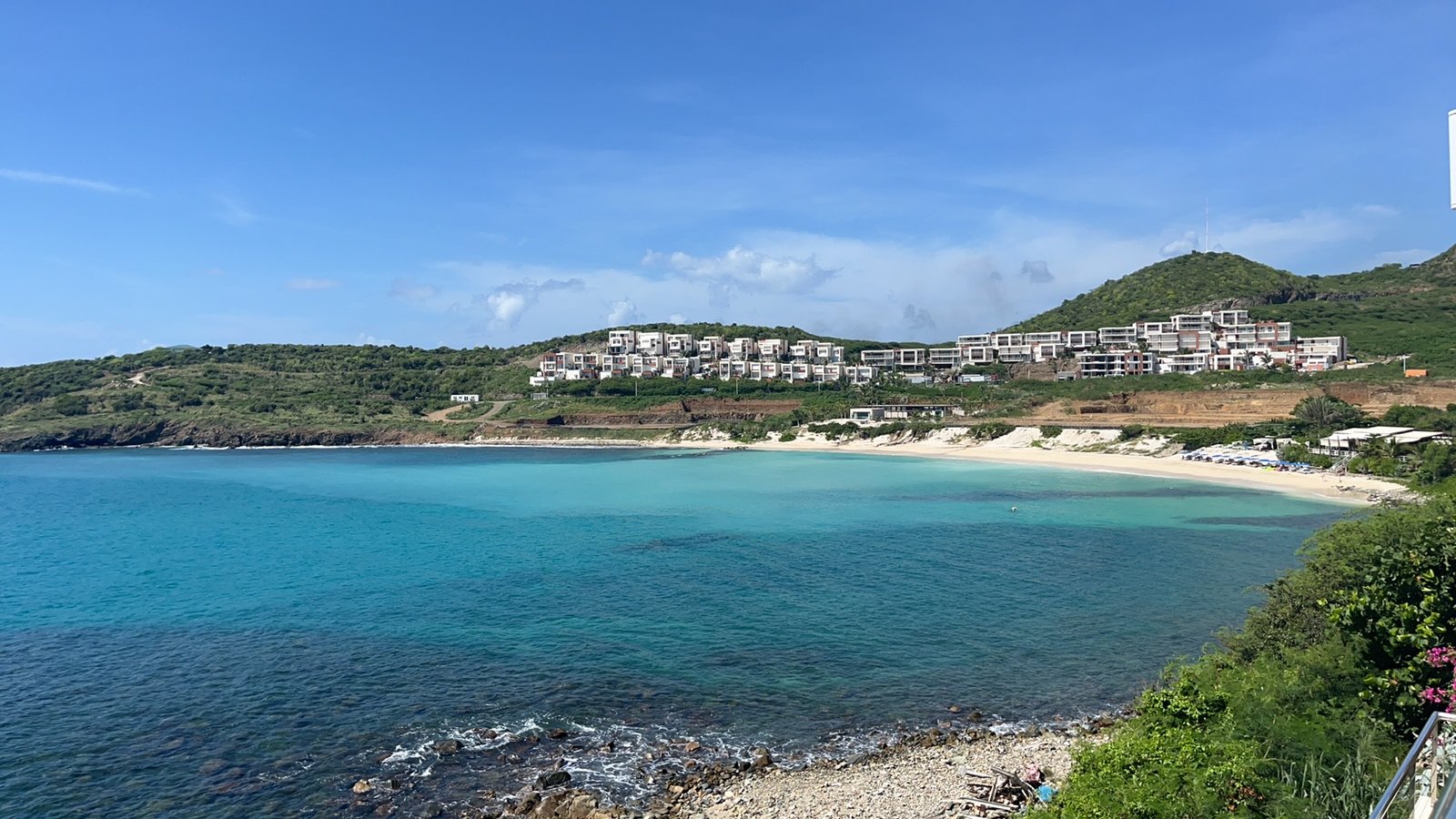
When I arrived, the logistics felt overwhelming—finding housing in Little Bay, understanding business licensing, setting up banking and finances, and integrating into local life. But once I tackled these initial steps, I discovered a welcoming community, stunning beaches, and a lifestyle that truly makes living in Sint Maarten rewarding.
Whether you’re looking to retire in Sint Maarten, start a business, work remotely, or simply experience island life, moving to St Maarten as a US citizen is completely achievable. This guide shares everything I wish I had known before making the leap, including tips on housing, employment, investment opportunities, and living like a local.
The DAFT treaty was a total game-changer when I was moving to St Maarten. Here’s why it matters so much for US citizens:
This unique agreement makes transitioning to life in Sint Maarten far easier than in other Caribbean nations.

U.S. citizens who can enter St. Maarten without a visa often consider staying longer or permanently relocating. While short visits are visa-free, moving to St. Maarteeen requires planning around residency rules, housing, employment options, and local regulations. Whether you’re relocating for work, retirement, or lifestyle, understanding the legal and practical steps for relocating to St. Maarten is essential before making the move.
Finding work was one of my biggest concerns when moving to St Maarten. Would there be opportunities? Could I legally work? What industries were hiring?
What I discovered about working after moving to St Maarten:
Popular industries for US citizens:
My experience finding work:
I started with vacation rental management and gradually built my real estate business. What helped me most was connecting with the expat community early. They shared job leads, introduced me to business owners, and gave me the inside scoop on who was hiring.
Work permit reality check:
Even under DAFT, if you’re working FOR someone else (not self-employed), you’ll likely need a work permit. When I was moving to St Maarten, I made sure to understand this distinction:
Remote work opportunity:
Here’s the best part about moving to St Maarten in 2025—remote work! Many Americans I know moved here with remote jobs already lined up. You work for a US company, earn in USD, and live in paradise. As long as you have reliable internet (and you do in most areas), this works beautifully.
When I was moving to St Maarten, these were my three biggest headaches. Let me share what I learned from each one—maybe it’ll help you avoid some of my mistakes:
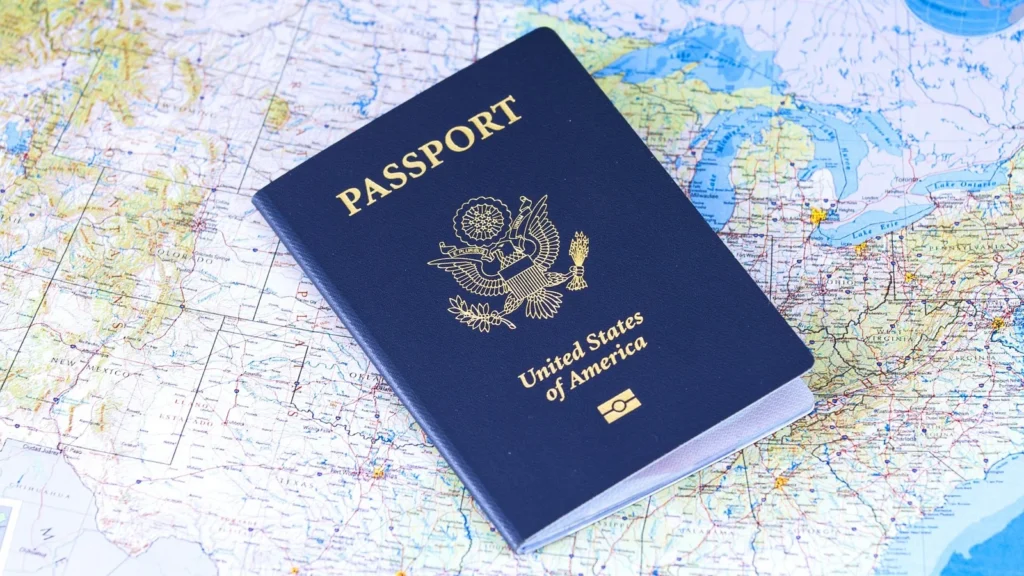
The paperwork for my residence permit was overwhelming at first.
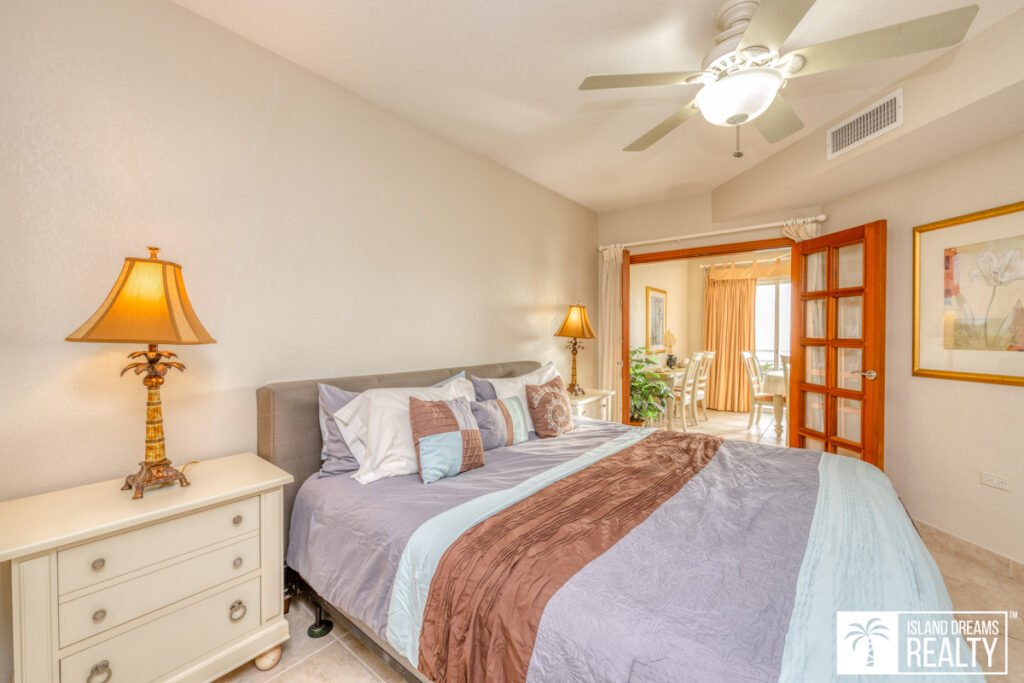
Good rentals disappear fast in St Maarten. Really fast.

Setting up local banking took longer than expected.
One cool thing about moving to St Maarten? Citizens from tons of countries can visit without a visa! This makes it easy for friends and family to visit you after you move, or for you to explore before committing to moving to St Maarten permanently.
Nope! English is widely spoken, especially on the Dutch side where most Americans settle when moving to St Maarten. I don't speak Dutch or French, and I manage just fine. That said, learning a few basic phrases in both languages is respectful and helps you connect with locals. You'll hear a mix of English, Dutch, French, and Spanish around the island.
This was my biggest question too! I'd recommend having at least $10,000-$15,000 saved before moving to St Maarten. Here's why:
I had about $12,000 when I moved, and I'm glad I did. Unexpected expenses pop up, and having that cushion gave me peace of mind during the transition.
When considering relocation, Americans should take into account:
Convenient travel distance and direct flights from the U.S.
A relaxed, high-quality lifestyle and welcoming environment
Currency convenience (USD widely accepted)
Access to modern healthcare and Medevac services
Easy, tax-free shipping and import processes
These elements make adjusting to island life easier and more comfortable.
The Dutch-American Friendship Treaty (DAFT) offers U.S. citizens a simplified path to legal residency. Under this agreement, Americans can obtain residency without applying for a separate work permit. It also provides the freedom to:
Apply for long-term or indefinite residency
Work legally on the island
Open or operate a business
Retire and live in Sint Maarten full-time
You CAN, but I didn't, and here's why: Shipping a car is expensive ($1,500-$3,000+), you'll pay import duties, and cars are drive-on-the-right here but can have steering wheels on either side. I bought a used car locally after moving to St Maarten for about $5,000. Much simpler! Plus, the island is small—you don't need a fancy car.
There's a hospital (SMMC) and several clinics on the island. The quality is decent for routine care. For serious medical issues, many people fly to Puerto Rico or Miami. I kept my US health insurance initially, then got local coverage once I was settled. Something to research based on your health needs before moving to St Maarten.
I see plenty of expat families here! There are international schools, kid-friendly beaches, and a generally family-oriented culture. The Dutch side (where most Americans live when moving to St Maarten) feels pretty safe. Like anywhere, you use common sense—don't leave valuables visible in your car, be aware at night, etc. I feel comfortable here.
Hurricane season! I knew about it intellectually, but actually preparing for storms, tracking weather obsessively from June to November, and dealing with the anxiety—that was a learning curve. Also, how small the island really is (you can drive end-to-end in 30 minutes!) and how quickly you run into the same people. It's a tight-knit community, which I love, but there's no anonymity after moving to St Maarten.

I’m originally from China and lived in the U.S. and Japan before taking the leap and moving to St Maarten in 2025. It was scary, exciting, and one of the best decisions I’ve made.
I went through everything: the residence permit process, starting my business, finding housing, figuring out which neighborhoods felt right, opening bank accounts, all of it. Some days were frustrating (hello, island time!), but most days I wake up grateful I’m here.
Now I work in real estate and love sharing my moving to St Maarten story with people considering the same leap. I’m organized, I love hiking and exercising, and I play piano to decompress. If you want to hear the real, unfiltered version of what moving to St Maarten was like for me (the challenges and the amazing parts), let’s chat!
Happy Connecting! Your island adventure awaits!
to save your favourite homes and more
Log in with emailDon't have an account? Sign up
Manage your listings, profile and more.
Enter your email address and we will send you a link to change your password.
to save your favourite homes and more
Sign up with emailAlready have an account? Log in
Manage your listings, profile and more.
to save your favourite homes and more
Manage your listings, profile and more.
Manage your listings, profile and more
Sign up with emailAlready have an account? Log in