
What Is It Like to Live in St Maarten Day to Day? (2026)
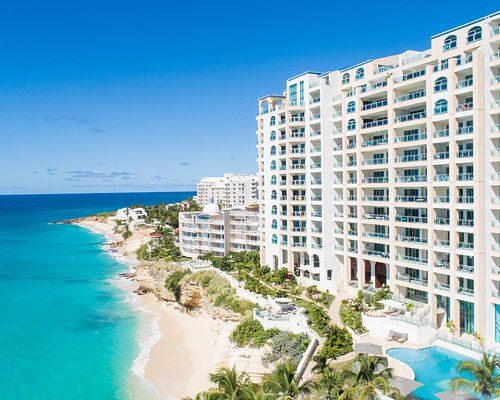
What is it like to live in St Maarten day to day? It means warm weather year round, US dollars in your pocket on the Dutch side, no annual property tax, and an island of only about 87 square kilometers, small enough to cross in a single drive. I find the pace slow, the paperwork real, and the sunsets worth it. You get beaches, direct flights, and a small community, plus imported prices and hurricane season to plan around.
- The Dutch side uses the US dollar in daily life and has no annual property tax, though utilities and insurance run higher than most US buyers expect, so confirm your own numbers with a tax advisor.
- The whole island is only about 87 square kilometers, and you cross into French Saint-Martin with no border checkpoint.
- Tourists get up to 90 days on a valid passport, and longer stays require a residence permit, so confirm the current process with your notary or an immigration advisor.
- Princess Juliana Airport (SXM) sits on the Dutch side and is a major regional hub with direct flights to the US and Europe, so getting home is a single hop, not a day of connections.
What is it like to live in St Maarten day to day?
Living in St Maarten day to day feels like a working island, not a resort. I wake up to trade winds, run errands in shorts, pay in US dollars, and get to a beach most afternoons. The island is small: about 87 square kilometers in total, split between the Dutch and French sides, with no border checkpoint between them.
The rhythm here is slower than any US city I have lived in. The notary, the bank, and the government office all keep their own hours, and island time is real. I moved to the Dutch side in 2023, and the first stretch reset my expectations for how long anything official takes. Once you adjust, the trade is worth it: the water is close enough that a swim after work is a normal decision rather than a plan you have to make.
One island, two nations shapes everyday choices. The Dutch south is Sint Maarten, part of the Kingdom of the Netherlands, at roughly 34 square kilometers. The French north is Saint-Martin, part of France, at roughly 53 square kilometers. You drive between them freely, shop on both sides, and pick your side for dinner. Around Oyster Pond the border actually runs through the neighborhood, which tells you how soft it is in daily practice. If you want the full breakdown, I compare the two in the difference between St Maarten and St Martin.
Ask me what a normal Tuesday looks like and it is not a postcard. It is a walkthrough with a buyer in Cole Bay, a stop at the hardware store, a call with a notary about a file that moved half a step, and then a quiet hour on a beach because the beach happens to be on the way home. That is the honest version: ordinary life, run at a different temperature, with the sea in your peripheral vision all day.
How much does it cost to live in St Maarten?
Day to day costs run higher than the US mainland on most imported goods, and lower on a short list of things that starts with property holding costs. Groceries, electricity, and cars cost more because almost everything arrives by ship. Housing varies widely by neighborhood and by whether you are paying for a view. The Dutch side charges no annual property tax, which still surprises most buyers I meet.
Money here is simpler than people expect. On the Dutch side, daily life runs on the US dollar, even though the official currency is the Antillean guilder. The French side uses the euro. I carry dollars, tap a card almost everywhere, and rarely think about it. Here is how everyday spending tends to compare on the Dutch side:
| Everyday expense | What to expect on the Dutch side |
|---|---|
| Currency | US dollar in daily use, the guilder is official |
| Groceries and imports | Higher than the US mainland, most goods ship in |
| Electricity | A real monthly cost, air conditioning drives it |
| Annual property tax | None on the Dutch side |
| Closing costs to buy | About 4% to 6% of price, paid by the buyer |
| Getting around | Plan on having a car, since most residents drive to get anywhere |
What I will not do is hand you an invented monthly figure. Your bill depends on how much air conditioning you run, whether you rent or own, whether the building has a maintenance fee, and how much of your shopping is imported brands rather than local produce. Two homes on the same street can live very differently. Ask me and I will pull the real utility, insurance, and maintenance numbers on the specific property you are weighing, rather than an island average that fits nobody.
The buy side is the part I can be precise about, because it is set by the process. Buyer closing costs land at roughly 4 to 6 percent of the price: about 4 percent transfer tax, plus roughly 1 to 1.5 percent in notary fees. The seller usually pays the agent commission. For a full picture of living expenses, read my cost of living in St Maarten guide. The short version: budget more for utilities and imported food, nothing for an annual property tax bill, and nothing for the heating you will never need. Confirm any tax question with your own advisor before you plan around it.
Which St Maarten neighborhoods are best to actually live in?
The best neighborhood to live in depends on whether you want nightlife, quiet, or a boat dock. Simpson Bay is the social hub with restaurants and marinas. Cupecoy and Maho lean upscale and lively near the airport. Dawn Beach, Oyster Pond, and Guana Bay are quieter and more residential on the east side, where the reefs and the trade winds do most of the talking.
Where I take clients depends on the day they actually want. If you want to walk to dinner and hear music at night, I point you to Simpson Bay, Maho, or Cupecoy, and I warn you that lively cuts both ways once you are trying to sleep. If you want to hear only the surf, the east side around Dawn Beach and Oyster Pond fits better, with the caveat that you will drive for everything. Pelican Key and Point Blanche sit in between, close to Philipsburg, the Dutch-side capital, with Cole Bay, Belair, and Indigo Bay filling out the middle. Oyster Pond is its own case: the Dutch and French border runs right through that area, so ask exactly which side a listing sits on before you fall in love with it, and have the notary confirm it in writing.
The island is small enough that no neighborhood is far, but each one gives you a completely different day.Wei Landgraf, Dutch-side resident agent
On the French side, Grand Case is the dining village, Orient Bay is the beach scene and includes clothing-optional stretches, and Terres Basses is the quiet luxury enclave near Marigot, the French capital. Buying and holding on the French side is generally more expensive: transaction costs there often run in the range of 7 to 8 percent, and annual taxes apply. The same budget buys a different life depending on which side of an invisible line you land on. I help people buy and sell on both sides, though most of my day-to-day living clients settle on the Dutch side for the dollar, the airport access, and the fact that there is no annual property tax there. Confirm your own tax position with an advisor before you decide on that basis alone.
What are the downsides of living in St Maarten?
The honest downsides of living in St Maarten are hurricane season, the cost of imports, and the limits of a small island. The island sits inside the hurricane belt. Hurricane Irma hit hard in September 2017, and construction standards improved afterward, but you plan your life around hurricane season either way.
If storm risk is your dealbreaker, look at Aruba, which sits outside the hurricane belt. I would rather have the flight access and the two-nation lifestyle here and buy something built to modern standards, but I tell every client the honest trade before they sign anything.
Insurance and building quality matter more here than they do on the mainland. Construction standards improved after Irma, and I look closely at how a home was built and how it was repaired before I recommend it, but I leave the structural call to a qualified inspector and I tell clients to confirm hurricane coverage and its exclusions with their own broker. Ask what the roof is made of. Ask what was rebuilt and when. Ask whether the windows and shutters are rated, and ask to see the paperwork rather than take a seller's word for it. A seller who has the documents will produce them, and a seller who does not is telling you something.
The other trade-offs are practical. Specialty needs sometimes mean a flight out, so if you have a specific medical or supply requirement, check it against what is genuinely available here before you commit rather than after. Island time cuts both ways: relaxing when you are off, frustrating when you need a permit, a part, or a signature. Because goods ship in, a grocery run costs more than it would in Florida. And a small community means the same faces at every restaurant, which is either the point or the problem, depending on who you are. None of this is hidden, and none of it has pushed me to leave.
Do you need a residence permit to live in St Maarten?
You do not need a visa to visit, but you do need a residence permit to live here. US, Canadian, UK, and EU visitors can stay up to 90 days on a valid passport. To live full time, work, or retire on the island, you need a residence permit, and you should confirm the current process and requirements with your notary or an immigration advisor before you rely on any timeline you read anywhere, including here.
The paperwork is the part people underestimate. I walk relocating clients through this regularly, and the pattern is always the same: it takes more documents and more patience than anyone plans for, and the sequence matters as much as the contents. Rules and processing change, so check the current requirement with immigration or your notary rather than trusting a forum post from two years ago. Arrive with more paperwork than you think you need, and get certified copies of the important documents before you leave home rather than after, when getting them becomes a project.
Opening a bank account and setting up utilities also takes documents and patience. Financing does exist for qualified foreign buyers with a down payment, which surprises people who assumed they had to pay all cash, but what you personally qualify for depends on the lender and your profile. Treat any figure you hear secondhand as a rumor until a bank puts it in writing for you.
If you are mapping the whole transition, my guide to moving to SXM walks through permits, banking, shipping, and pets in one place. Buying is separate from residency: owning a home here does not by itself give you the right to live here. On the Dutch side there is no restriction on foreign ownership, and a civil-law notary is mandatory. The notary handles the title search, the deed, the escrow, and the registration, which is why US-style title insurance is not the norm here. That is a genuinely different system from the one most American buyers know, and it is worth understanding before you make an offer. Verify every legal, tax, and immigration specific with your notary and your own advisor before you plan around it.
Is St Maarten worth living on, and who does it fit?
St Maarten is worth living on if you want warm weather, easy travel, beaches on your doorstep, and you can accept island logistics. It fits remote workers, retirees, boaters, and second-home owners who value flight access and the US dollar. It fits less well if you need big-city services, four seasons, or you cannot stand a slower pace.
The airport tips the scale for me. Princess Juliana (SXM) sits on the Dutch side and is a major regional hub with direct flights to the US and Europe, so a family visit or a trip home is a single flight rather than a day of connections. Maho Beach next door is famous for planes landing low over the sand, and it still makes me smile on a slow afternoon.
What keeps me here is the mix. Few places let you land, drop your bag, and choose between a Dutch beach bar and a French bistro for lunch, with no checkpoint between the two sides. Grand Case is a dining village. The old Mullet Bay golf grounds are part of the landscape. There are reefs off the east coast, and Anguilla, Creole Rock, and Tintamarre are all within reach for a day on the water. Add reliable flights, warm water, and no annual property tax on the Dutch side, which your notary or tax advisor can confirm for your situation, and the day-to-day math works for the kind of life I wanted.
The community is small, which means you see the same faces and build real relationships quickly. If you are weighing the move seriously, start with the numbers in my buying property in St Maarten guide, then come and spend a normal Tuesday here instead of a vacation week. Walk into a grocery store and look at the prices. Sit in the traffic. Watch the light go down over the lagoon on a night when nothing special is happening. That is when you learn what living in St Maarten actually feels like, and that is when I can tell you honestly whether it fits you or not.
Frequently Asked Questions
Is it expensive to live in St Maarten?
Everyday costs on the Dutch side run higher than the US mainland for groceries, electricity, and cars, because most goods ship in. It gets cheaper on the ownership side: there is no annual property tax, and buyer closing costs are about 4% to 6% of the price. Budget more for utilities and imported food. Ask me and I will pull real figures for the specific property you are weighing, and confirm the tax side with your own advisor.
What language do they speak in St Maarten?
In my day to day on the Dutch side, English is what I use for work, errands, and client meetings, and I have not needed anything else. You will hear other languages around the island, and the French side runs on French. In practice, I run my whole business day in English.
Can a US citizen move to St Maarten?
Yes. A US citizen can visit up to 90 days on a valid passport with no visa, and a longer stay requires a residence permit. Requirements depend on your purpose, such as retirement, work, or self-employment. Confirm the current steps and timelines with your notary or an immigration advisor before you commit to anything.
What is the weather like in St Maarten?
Warm year round, with steady trade winds and water that stays swimmable. The catch is hurricane season, since the island sits inside the hurricane belt. Hurricane Irma hit in September 2017 and construction standards improved afterward. I plan travel and projects around the season, and I check the current forecast and season dates with local sources rather than guessing.
Is St Maarten a good place to live?
It is a good place to live if you want beaches, warm weather, direct flights to the US and Europe from Princess Juliana, the US dollar in daily use, and no annual property tax on the Dutch side. It suits remote workers, retirees, and boaters. It suits you less if you need big-city services or four seasons.
Do you pay property tax in St Maarten?
On the Dutch side, there is no annual property tax, which is one reason buyers look closely at the Dutch side rather than the French side, where annual taxes do apply. You still pay one-time buyer closing costs of about 4% to 6% when you buy. Confirm the details for your own situation with your notary and tax advisor.
