
Beachfront Property in St Maarten: How People Live Here (2026)
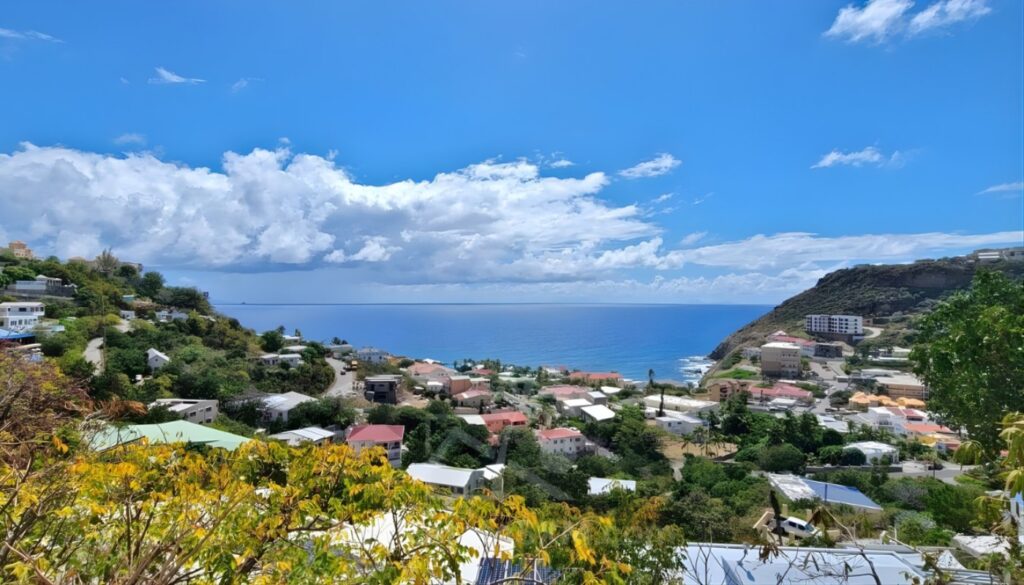
Beachfront property in St Maarten is open to foreign buyers on the Dutch side, where you own freehold, pay no annual property tax, and cover closing costs of roughly 4 to 6 percent. A civil-law notary handles the deed, which is why US-style title insurance is not the norm here. Prices vary widely by area, from Cupecoy and Maho condos to Dawn Beach and Guana Bay villas.
- As I understand the current Dutch-side rules, there is no annual property tax and buyer closing costs run about 4 to 6 percent. Confirm your figures with a notary.
- Foreigners can buy freehold on the Dutch side, with a mandatory civil-law notary handling the title search, deed, and registration.
- Cupecoy and Maho hold most of the oceanfront condos, while Dawn Beach, Oyster Pond, and Guana Bay lean toward villas.
- St Maarten sits inside the hurricane belt, so construction quality and insurance matter more than the view.
How much does beachfront property in St Maarten cost to buy and own?
Beachfront property in St Maarten covers a wide price range, but the cost structure on the Dutch side is simple. As I understand the current Dutch-side structure, closing costs run about 4 to 6 percent of the price, paid by the buyer, and there is no annual property tax. The seller usually pays the agent commission. Confirm the exact figures for your own purchase with your notary, since I am an agent, not a tax authority.
That 4 to 6 percent is roughly 4 percent transfer tax plus about 1 to 1.5 percent for the civil-law notary, who is mandatory here and who runs the title search, holds escrow, prepares the deed, and registers it. That is a large part of why buyers here do not lean on US-style title insurance. Financing exists for qualified foreign buyers with a down payment.
I will not quote one price per square foot, because beachfront is where averages lie hardest. Ask me for comparables in the building you are looking at, and before you offer, get answers to these:
- The building or HOA fee, and exactly what it covers.
- An insurance quote on that structure, not a general one.
- Whether the maintenance reserve is funded, or owners face assessments.
- What the current owner has spent on salt-related repairs.
For a fuller walk through the process, see my guide to St Maarten closing costs, and browse current St Maarten real estate before you fall for a view.
Where are the best beachfront and waterfront neighborhoods on the Dutch side?
The best beachfront areas on the Dutch side depend on the life you want, not on a ranking. Cupecoy and Maho hold most of the oceanfront condos, Simpson Bay mixes marina and beach living, and Dawn Beach, Oyster Pond, and Guana Bay lean toward quieter villas on the Atlantic side.
| Area | The feel | Waterfront housing |
|---|---|---|
| Cupecoy | Cliffs, sunsets, high-rise living | Oceanfront condo towers |
| Maho | Walkable, planes overhead, casinos | Condos steps from Maho Beach |
| Simpson Bay | Restaurants, marina, nightlife | Condos and villas by the lagoon |
| Dawn Beach / Oyster Pond | Quiet, Atlantic side | Gated villas and beachfront condos |
| Guana Bay | Local, open ocean | Larger beachfront villas |
| Pelican Key | Central, marina views | Condos above Simpson Bay |
Two quirks matter before you shortlist. The Dutch and French border runs through the Oyster Pond area, so which side a property sits on changes the paperwork and the tax picture: put that to your notary early. And Maho puts jets landing over the beach, which some buyers love and others cannot live with.
I live on the Dutch side and I show clients these areas in person, at different times of day, because a Cupecoy sunset condo and a Guana Bay villa are two different lives. Stand on the balcony on a Saturday night, not a quiet Tuesday. Start with beachfront homes for sale in St Maarten, then read living in Cupecoy.
St Maarten vs St Martin: which side should you buy beachfront on?
For most of my buyers, the Dutch side wins on cost and simplicity. On the Dutch side you pay for daily life in US dollars, though the official currency is the Antillean guilder. The Dutch side also places no restriction on foreign ownership, charges no annual property tax, and keeps buyer closing costs near 4 to 6 percent. The French side, Saint-Martin, runs on the euro and is generally more expensive to buy and hold.
| Factor | Dutch side (Sint Maarten) | French side (Saint-Martin) |
|---|---|---|
| Currency in daily use | US dollar | Euro |
| Foreign ownership | No restriction, freehold | French and EU rules apply |
| Transaction costs | About 4 to 6 percent | Often 7 to 8 percent |
| Annual property tax | None | Yes |
| Who runs the deal | Civil-law notary | Notaire |
The geography is what people underestimate. The Dutch side is about 34 square kilometres, the French side about 53, and the whole island is 87 square kilometres shared by two nations with no border checkpoint. You drive between them freely, which is why my clients own on one side and eat on the other, whether that is Grand Case on the French side or Simpson Bay on the Dutch side.
So the choice is rarely about which side you spend time on. It is about which side you want your name on a deed on, and which currency and tax regime you hold under. Read St Maarten vs St Martin, and confirm the specifics with your notary before you rely on any of it.
What is it actually like to live in a beachfront home in St Maarten?
Living in a beachfront home here is salt air, trade winds, and a maintenance schedule you cannot ignore. St Maarten sits inside the hurricane belt, and Hurricane Irma hit in September 2017. Construction standards improved after that, but quality still varies house by house, so judge each property on its own.
Ocean-facing glass, railings, and air conditioning units take a beating from salt, and that is the cost line new owners miss. So I walk a property with the maintenance in mind: the shutters, the roof fixings, the metalwork, the drainage, the elevation above the waterline. Price the insurance before you make an offer, because here that quote is part of the decision.
The upside is real, and it is why owners put up with the upkeep. Princess Juliana International Airport, SXM, sits on the Dutch side, a regional hub with direct flights to the US and Europe. Maho Beach has planes landing overhead, the reefs sit off the east coast, and Marigot and Philipsburg give you two capitals on one island. Hurricane season is fixed in the calendar, and if that worries you, Aruba sits outside the belt.
A beachfront home here is a lifestyle and a maintenance schedule at the same time, and the buyers who love it plan for both.Wei Landgraf, Dutch-side resident agent
Do you need to be a resident to buy beachfront property in St Maarten?
No. You do not need residency or citizenship to buy beachfront property in St Maarten on the Dutch side. Foreign ownership is unrestricted and freehold, so you can buy in your own name. Tourists from the US, Canada, the UK, and the EU generally enter with a valid passport and no visa for up to 90 days. Living here full time is a separate step from owning here.
If you plan to stay beyond a tourist visit, that means a residence permit, a different process from buying. I moved here around 2023, so I know how much of this is paperwork and patience, but I am not the right person to walk you through a permit. I point clients to someone who handles that professionally, and I would check the current rule with immigration before relying on anything you read online, including this page.
You do not need residency to buy on the Dutch side, but you do need a notary. Budget the full 4 to 6 percent up front, and confirm any tax or immigration question with your own notary, tax advisor, or immigration professional rather than with me.
Is beachfront property in St Maarten a good investment?
Beachfront property in St Maarten has real cost advantages on the Dutch side: no annual property tax, and lower transaction costs than the French side. I do not have reliable public appreciation or occupancy data for this market, so I am not going to promise you either one. Salt, storms, and upkeep are real costs, and the owners who are happiest treat a beachfront home as a lifestyle asset first and a rental second.
Those two bars are the one comparison I can put a number against with confidence. Lower entry costs matter over a holding period, and no annual property tax changes what it costs to carry a place. That is arithmetic, not a forecast, and worth confirming with your notary.
On income, rental patterns differ by area, and the honest answer is that you need real numbers, not my impression. Ask for the actual occupancy and rate history on the specific building before you count on any income, and ask what the management company charges. Confirm the tax treatment of rental income with your own advisor. A view sells the listing, but the spreadsheet decides whether it is a good buy.
Frequently Asked Questions
How much does beachfront property in St Maarten cost to own each year?
On the Dutch side, as I understand the current rules, there is no annual property tax, so your recurring costs are mainly insurance, utilities, and building or HOA fees. Closing costs of about 4 to 6 percent are a one-time cost at purchase. Recurring numbers are property specific, so ask me for the real figures on the building you are considering, and confirm your tax position with your notary.
Can foreigners buy beachfront property in St Maarten?
Yes. The Dutch side of St Maarten places no restriction on foreign ownership, so you can buy freehold in your own name. A civil-law notary is mandatory and handles the title search, escrow, deed, and registration. The seller usually pays the agent commission, and financing exists for qualified foreign buyers with a down payment. Confirm the current requirements with your notary.
Is beachfront property in St Maarten safe from hurricanes?
St Maarten sits inside the hurricane belt, and Hurricane Irma hit in September 2017. Construction standards improved after that, but quality still varies house by house, so judge each property on its own. I tell buyers to check the roof, the shutters, and the elevation, and to price insurance before making an offer. Aruba, by contrast, sits outside the belt.
Where can I find beachfront homes for sale on the Dutch side?
You can find beachfront and waterfront homes for sale across the Dutch side in Simpson Bay, Cupecoy, Maho, Dawn Beach, Oyster Pond, and Guana Bay. Condos cluster in Cupecoy and Maho, while villas sit along Dawn Beach and Guana Bay. The border runs through the Oyster Pond area, so check with your notary which side a property sits on.
Should I buy beachfront on the Dutch side or the French side?
It depends on your goals. On the Dutch side you pay for daily life in US dollars, there is no annual property tax, and buyer closing costs run about 4 to 6 percent. The French side uses the euro and is generally more expensive to buy and hold, with transaction costs often 7 to 8 percent plus annual taxes. Verify the specifics with your notary.
Do I need a lawyer or a notary to buy beachfront property in St Maarten?
A civil-law notary is mandatory on the Dutch side, and local buyers generally do not use US-style title insurance the way US buyers do. The notary runs the title search, holds escrow, prepares the deed, and registers it. Whether you also want your own attorney is your call, and I would raise that with your notary rather than take my word for it.
