
Schools in St Maarten for Expat Families: What I Tell Relocating Clients (2026)
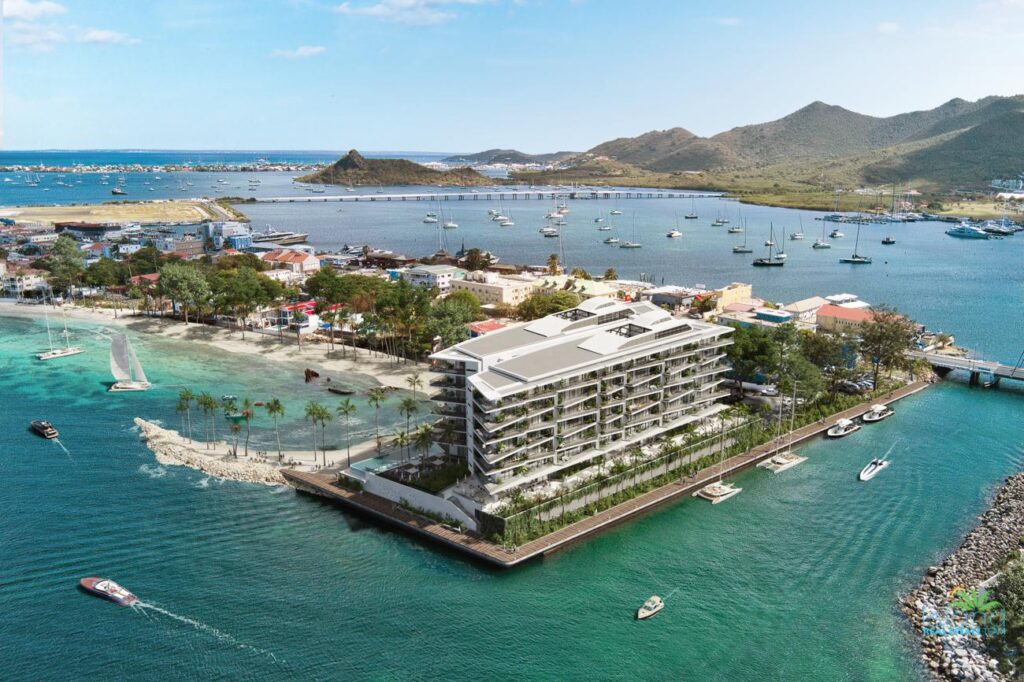
Schools in St Maarten fall into two systems. The Dutch side runs public and private schools where English is widely used alongside Dutch, and the French side follows the French national curriculum in French. Most of the expat families I help pick an English-language school on the Dutch side. Costs, enrollment rules, and permits vary, so confirm details with each school.
- The Dutch side of St Maarten offers English-language instruction at private and international schools, which is why most of the relocating families I work with settle there.
- The French side, Saint-Martin, teaches the French national curriculum in French, best suited to Francophone families or those wanting an EU education path.
- Longer stays need a residence permit and enrollment paperwork ties into it, so start both early and check current rules with immigration.
- There is no single best school. Fit depends on your child's language, your side of the island, and your commute.
What schools in St Maarten are available to expat families?
St Maarten has schools on both sides of the island. The Dutch south runs a Dutch-based system with strong English-language options, while the French north follows France's national curriculum. From what I see helping families relocate, the options generally break into public, subsidized, private, and English-medium international schools, plus preschools. I am a real estate agent, not an education authority, so confirm the current landscape with each school.
When people ask me about schools in St Maarten, the first thing I explain is that this is one island split between two nations. The Dutch side, Sint Maarten, is roughly 34 square kilometers and sits inside the Kingdom of the Netherlands, so its schools broadly follow a Dutch framework, though many private schools teach in English. The French side, Saint-Martin, is roughly 53 square kilometers and part of France, so its public schools mirror the French curriculum. Two nations, 87 square kilometers, no border checkpoint.
You can live on one side and school your child on the other, though most families I work with keep both on the same side. Whichever side you choose, build your shortlist around these:
- Language of instruction by grade, not just the language on the school's website.
- Curriculum and where it leads, since a Dutch, international, or French track points a teenager toward a different university system.
- Intake and waitlists, because a small island means small cohorts and no guaranteed place.
- The honest morning drive from the neighborhoods you are considering, at the hour you would drive it.
Are classes in St Maarten taught in English or Dutch?
On the Dutch side it depends on the school. Many private and international schools teach primarily in English, while public and subsidized schools often use Dutch or a Dutch-English blend. On the French side, teaching is in French. For English-speaking families, the Dutch-side English-medium schools are usually the natural fit.
English is easy to live in on the Dutch side. Daily life runs largely in US dollars, though the official currency is the Antillean guilder, and you can hear English, Dutch, Papiamento, and Spanish in the same afternoon. That is a big reason the American, Canadian, and British families I work with settle here rather than on the French side, where the euro and French are the default.
One honest caveat: an English-language school can mean different things. Some run fully in English. Others weave in Dutch lessons, because Dutch is useful for local paperwork and for staying inside a Dutch academic track. Ask each school for the exact split of English and Dutch by grade, and how it supports a child who arrives speaking only English. Then ask what happens at secondary level, when exams lock a child into a track. On the French side, ask what support exists for a child arriving without French.
St Maarten vs Saint-Martin: which side should my child attend?
Choose the Dutch side for English-medium schooling and daily life in US dollars, and the French side for a French, EU-recognized curriculum if your family already speaks French. Both sit on the same 87 square kilometer island with no border checkpoint, so the real deciders are language, curriculum, and commute.
| Factor | Dutch side (St Maarten) | French side (Saint-Martin) |
|---|---|---|
| Main language of school | English and Dutch | French |
| Curriculum | Dutch-based, plus international and English programs | French national curriculum |
| Currency in daily use | US dollar | Euro |
| Best fit | English-speaking and North American families | Francophone or EU-bound families |
| Cost to buy and hold nearby | Buyer closing costs generally about 4 to 6 percent, and no annual property tax on the Dutch side, though you should verify your own position with a notary and a tax advisor | Generally pricier to buy and hold, with transaction costs often around 7 to 8 percent plus annual taxes |
I dig into the wider differences in my St Maarten vs St Martin comparison, but for families the short version is language and paperwork. If your children speak French, the French side keeps them inside a familiar EU track. If they do not, the Dutch-side English schools spare them a mid-education language switch, which is a heavier thing to ask of a nine-year-old than most parents expect.
How much does private or international school cost in St Maarten?
There is no single price. Public and subsidized schools are funded differently from private and international schools, which charge annual tuition plus registration and material fees that vary by grade and by school. I cannot quote a figure that stays accurate, so ask each school for its fee schedule and build the real number into your budget.
Tuition is only part of it. Uniforms, transport, books, activities, and sometimes a registration deposit all add up, and some schools bill for the year in advance rather than by term.
Families relocating from the US or Canada should also weigh what they save elsewhere. On the Dutch side there is no annual property tax, buying is freehold with no restriction on foreign ownership, and buyer closing costs generally run about 4 to 6 percent of the price, roughly 4 percent transfer tax plus about 1 to 1.5 percent in notary fees. A civil-law notary is mandatory and handles the title search, deed, escrow, and registration. The French side is pricier to buy and hold, with transaction costs often around 7 to 8 percent plus annual taxes. I am not a tax advisor or a notary, so confirm all of it with your notary and your own tax advisor before you budget around it.
Price the school before you price the house. I have seen families fall for a villa, then realize the school they wanted sits on the wrong side of the island's worst morning traffic. Pick the school first, then let me help you buy inside a short, honest commute of it.
For the wider relocation math, see my breakdown of the cost of living in St Maarten, then confirm tuition with each school.
How do I enroll my kids and handle the residence permit?
For a short visit of up to 90 days, tourists from the US, Canada, the UK, and the EU need only a valid passport. To live in St Maarten and enroll a child long-term, you generally need a residence permit and a local address. Start the permit and the school search together, because each one tends to ask about the other.
Schools typically want prior records, proof of address, immunization details, and sometimes an assessment, especially if a child is switching curriculum or language. Places at popular English-medium schools can be limited, so apply early rather than waiting until you land. I am not an immigration advisor, a notary, or a lawyer, so check the current rules with immigration before you rely on them, and verify legal specifics with your notary.
The friction is the order of operations. A school wants an address, a seller wants a signed deal, and immigration wants both, so it feels circular. I keep the housing search and the paperwork moving in parallel rather than waiting for one to clear the other, and I would not leave the school application last.
My guide to moving to SXM covers the sequence, and the St Maarten residence permit steps lay out the immigration side. Treat both as a starting map, then confirm current requirements with the government office before you commit.
Which St Maarten neighborhoods work best for families with kids?
Families usually do best in calmer areas within reach of their chosen school, such as Cole Bay, Cupecoy, Pelican Key, Point Blanche, and the Oyster Pond and Dawn Beach side. Simpson Bay is central and convenient but busier and louder. The right pick depends on your school, your commute tolerance, and your budget.
Cupecoy and Pelican Key give you a quieter, residential feel with quick access to the west end and to Princess Juliana airport. Point Blanche is calm and close to Philipsburg. Understand the Oyster Pond area before you fall for it, because the Dutch and French border runs through there, which shapes which schools feel natural and which currency the nearest shops take. I live on the Dutch side and I drive these roads at drop-off hour, so I plan showings around real commute times, not map estimates.
Pick the school first, then buy inside a short, honest commute of it. On a small island, a short morning drive still feels long with kids in the back and a school bell waiting.Wei Landgraf, Dutch-side resident agent
One more fair question: the island sits inside the hurricane belt, Irma hit in September 2017, and standards improved afterward, so ask about the build and the shutters on any home you like. Then read my guide to Cupecoy in St Maarten, send me your school shortlist, and I will map homes around it.
Frequently Asked Questions
Does St Maarten have English-speaking schools?
Yes. Several private and international schools on the Dutch side teach primarily in English, which is a big reason the English-speaking families I work with settle there. Public and subsidized schools may use Dutch or a Dutch-English mix, so ask each school about its exact language of instruction.
Do St Maarten and Saint-Martin schools follow different systems?
Yes. The Dutch side, St Maarten, runs a Dutch-based system with strong English options, while Saint-Martin follows France's national curriculum in French. You can drive freely between sides with no checkpoint, but curriculum, language, and everyday currency differ, so choose the system that matches your child.
How much does private school cost in St Maarten?
Tuition varies by school, by grade, and by whether a school is subsidized or fully private, so there is no single figure I can give you honestly. Private and international schools charge annual tuition plus registration and material fees. Request each school's current fee schedule directly.
Do I need a residence permit to enroll my child in school?
For short tourist visits of up to 90 days you do not, but living in St Maarten long-term and enrolling a child generally requires a residence permit and a local address. Rules change, so check current requirements with immigration before you rely on them, and verify legal specifics with your notary.
Which St Maarten neighborhoods are best for families?
Families often prefer calmer areas with easy school access, such as Cole Bay, Cupecoy, Pelican Key, Point Blanche, and the Oyster Pond and Dawn Beach side. Simpson Bay is central but busier. I match families to a neighborhood based on school, commute tolerance, and budget.
Is there higher education in St Maarten?
Higher-education options on the island are limited compared with North America or Europe, and I am not the right source on what is currently offered. If university matters to your plan, research current institutions and programs directly before you commit to a move.
