
The Best Things to Do in St Maarten: An Insider Island Guide (2026)
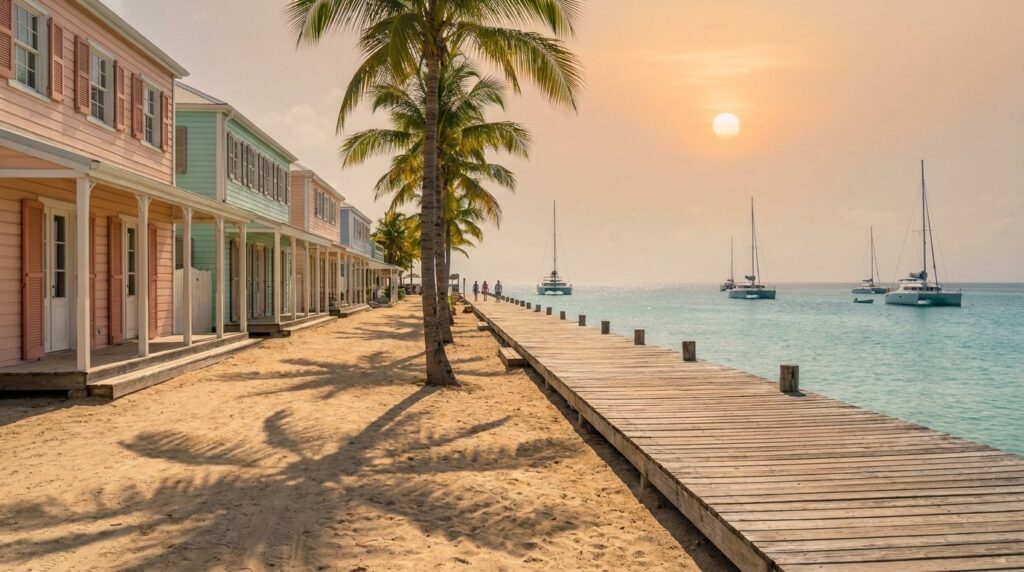
The best things to do in St Maarten pack a lot into one small island: watch jets skim Maho Beach, swim at Mullet Bay and Orient Bay, eat your way through Grand Case, and drive freely between the Dutch and French sides. US, Canadian, UK, and EU visitors need only a valid passport for stays up to 90 days, and the US dollar is what you spend day to day on the Dutch side.
- Maho Beach sits at the end of the SXM runway, so planes land directly over sunbathers, the island's most famous free attraction.
- The Dutch side spends US dollars day to day; the French side, Saint-Martin, uses the euro, and Grand Case is the island's dining capital.
- There is no border checkpoint, so you can drive from Philipsburg to Marigot to Orient Bay in a single afternoon.
- St Maarten sits inside the hurricane belt, so the winter and early spring months, outside storm season, are the most popular time to come.
What are the best things to do in St Maarten?
The best things to do in St Maarten come down to beaches, boats, and food. Watch planes land at Maho Beach, snorkel off Pinel Island, hike Pic Paradis, eat in Grand Case, and walk the Philipsburg boardwalk. Because the island is small, you can combine several of them in a single day without feeling rushed.
What sets SXM apart from a single-country island is that you get two cultures on one drive. The Dutch south is Sint Maarten, part of the Kingdom of the Netherlands. The French north is Saint-Martin, part of France and the EU. There is no fence and no passport check between them, so a rental car turns the whole island into one long day out. I moved here in 2023, and I still plan my weekends around which side I am in the mood for: Dutch for a casino night in Simpson Bay, French for a slow lunch in Grand Case.
If you have a short trip, do not try to see everything. Pick a beach day, a boat day, and a food day, and leave room to sit still. The visitors who leave happiest are the ones who found one bar, one beach, and one restaurant they wanted to go back to, not the ones who ticked off a list. When people ask me what to do in St Maarten, that is usually the first thing I say.
Which beaches should you visit in St Maarten?
St Maarten has dozens of beaches, but a handful stand out. Maho for plane spotting, Mullet Bay for the best swimming sand, Orient Bay for the lively French-side scene, Simpson Bay for sunsets and bars, and Dawn Beach for snorkeling over the reefs off the east coast. Each has a different personality, so pick by mood rather than by ranking.
| Beach | Side | Best for |
|---|---|---|
| Maho Beach | Dutch | Jets landing overhead |
| Mullet Bay | Dutch | Soft sand and swimming, beside the old golf grounds |
| Simpson Bay | Dutch | Sunset drinks and nightlife |
| Dawn Beach | Dutch | Snorkeling over the east-coast reefs |
| Orient Bay | French | Beach clubs and water sports |
| Grand Case Beach | French | Calm swim before dinner |
Beyond the headliners, Cupecoy has sandstone cliffs and quieter coves, and Guana Bay on the east coast gives you open Atlantic surf with almost no crowd. Orient Bay is also where you will find the clothing-optional stretch at its southern end, which surprises some first-timers, so it is worth knowing before you walk down with the family. When I show clients the island, I try to hit one Dutch-side and one French-side beach on the same day so they feel the contrast: the Dutch beaches skew social and walkable to bars, while several French-side stretches feel wilder and more low-key. Bring reef-safe sunscreen, and check the wind before you commit to the east coast, because the trade winds can turn a swim into a workout.
Is Maho Beach really the one with the planes?
Yes. Maho Beach sits right at the end of the runway at Princess Juliana International Airport, the Dutch-side hub that handles direct flights from the US and Europe. Arriving jets pass low over the sand as they touch down, and a crowd gathers on the beach to watch the widebodies come in. It is free, it is loud, and it is the single most photographed thing on the island.
Few places put arriving passengers and beachgoers close enough to wave at each other.Wei Landgraf, Dutch-side resident agent
A word of caution from someone who lives on this side of the island: never stand behind the fence during takeoff. The jet blast is strong enough to knock people down and throw them into the water, and that is where the injuries happen. Arrivals are the calmer part of the show, but stay off the fence line and follow the posted warning signs. Check the day's arrivals board before you go, since the heavy jets come in on their own schedule, and grab a drink at one of the beach bars while you wait. If you love the energy of this spot, read more about the Maho area and what it is like day to day, because plenty of buyers who come for the spectacle end up asking me what it costs to live within walking distance of it.
Where should you eat, Dutch side or French side?
Do both. The French side, Saint-Martin, is the island's dining capital, led by Grand Case and its row of gourmet restaurants and casual lolos, the open-air barbecue grills that line the waterfront end of the village. The Dutch side leans toward Simpson Bay's bars, beach clubs, and international menus. In one day you can eat lunch French and dinner Dutch, and nobody will check your passport in between.
My rule for guests: book Grand Case for one special dinner, but eat at least one meal at a lolo. The grilled ribs and johnny cakes cost a fraction of the white-tablecloth places, and the atmosphere is better.
For a slower afternoon, wander Marigot, the French capital, and its harborside market for spices, crafts, and produce. On the Dutch side, Philipsburg's Front Street and the beachfront boardwalk cover duty-free shopping, rum tasting, and cruise-day people watching, so go early if a big ship is in port. One practical note on money: the French side runs on the euro, while the Dutch side spends US dollars day to day even though the official currency is the Antillean guilder. Most tourist spots take both, but carrying a little of each saves you a bad exchange rate at the counter. If you want the full breakdown, I wrote about the real difference between St Maarten and St Martin, and about living in Simpson Bay if nightlife is your thing.
What day trips and water activities are worth it?
The water is the reason most people come, and the day trips are what they talk about afterward. A snorkeling run to Creole Rock, a catamaran sail, or a ferry to a neighboring island will give you a better story than another afternoon by the pool.
- Pinel Island: a short boat hop off the northeast coast, calm shallow water, and a couple of casual beach grills. My easy recommendation for families.
- Creole Rock and Tintamarre: classic snorkel stops off the French coast, usually bundled into a half-day boat trip.
- Anguilla: a ferry from the Marigot side gets you to long, empty beaches for the day. Check the schedule and the return times before you commit.
- St Barths: the yacht-and-boutique crowd. Go for the harbor, the shops, and the lunch, not for a bargain.
- Pic Paradis and Loterie Farm: the high ground in the French hills, with trails through green that looks nothing like the coast. Check what Loterie Farm above Grand Case is running when you visit, since the offerings change.
Start the hikes early, before the heat builds, and bring more water than you think you need. Between the boats, the trails, and the beaches, you can fill several days without repeating yourself, which is exactly why day trips from St Maarten are so easy to sell to anyone who thinks a small island means a short list.
When is the best time to visit St Maarten?
The winter and early spring months are the most popular time to visit St Maarten, since they fall outside hurricane season, though I would check current forecasts and the season dates before you book. The island sits inside the hurricane belt, so timing is not just about crowds and rates. Irma struck hard in September 2017, and construction standards improved afterward, which is one of the first things buyers ask me about.
- Winter and early spring: the busiest stretch. Book flights and rentals earlier, expect peak rates, and expect company at the popular beaches.
- Late spring and early summer: a quieter middle ground, with the island still running at full speed but with more room to move.
- Storm season: the emptiest and cheapest window, and the one that needs the most flexibility.
That pattern is what I see on the island rather than any published figure, so treat it as a resident's read, not a statistic. Hurricane season risk is real here, so if you book during the storm months, buy travel insurance and stay flexible with your dates. Plenty of visitors want a Caribbean island that sits outside the belt entirely, which is why people compare destinations before booking. I broke down how St Maarten compares to Aruba, since Aruba sits outside the hurricane belt. My honest take: St Maarten gives you more variety in food and scenery, and winter falls outside the storm season, though no season comes with a guarantee.
Do you need a passport, and how do you get around?
US, Canadian, UK, and EU visitors need a valid passport but no visa for stays of up to 90 days. You clear immigration once, at the airport on the Dutch side. Entry rules do change, so confirm the current requirement for your nationality with immigration or your airline before you fly rather than relying on a blog post, including this one.
To get around, rent a car. Taxis work, but the fares add up fast, and the island rewards drivers who want to reach both sides on their own schedule. Driving is on the right, distances are short, and the only real congestion sits around Simpson Bay and the causeway at the busy hours. Fuel up on either side, keep a little cash in both dollars and euros, and remember there is no checkpoint when you cross between Dutch and French territory. The road signs change language and the road surface changes character, and that is usually how you know you crossed.
If your visit turns into something more serious than a vacation, longer stays and living here require a residence permit, and I cover the whole process in my guide to moving to SXM. I walk buyers and renters through that transition regularly, but I am an agent, not a lawyer or a tax advisor, so verify any immigration, notary, or tax specifics with the right professional before you rely on them.
Frequently Asked Questions
What are the top things to do in St Maarten for first-time visitors?
First-timers should watch the jets at Maho Beach, spend a beach day at Mullet Bay or Orient Bay, eat dinner in Grand Case, and walk the Philipsburg boardwalk. Rent a car so you can cross to the French side freely. Most people fit several of these into a short trip, since the island is small and there is no border checkpoint.
Is St Maarten or St Martin better to visit?
Both sit on the same island, so most visitors do both. The Dutch side, St Maarten, has the airport, Simpson Bay nightlife, and casinos. The French side, Saint-Martin, has Grand Case dining, Orient Bay, and Marigot's market. There is no checkpoint, so you drive between them freely.
Do you need a passport to visit St Maarten?
Yes. US, Canadian, UK, and EU visitors need a valid passport but no visa for stays of up to 90 days. You clear immigration once, at Princess Juliana Airport on the Dutch side, and after that you move between the Dutch and French sides with no border checkpoint. Entry rules change, so confirm the current requirement for your nationality with immigration before you fly.
What is there to do in St Maarten besides beaches?
Beyond beaches you can hike Pic Paradis, browse Marigot's market, try the Dutch-side casinos, take a ferry to Anguilla or St Barths, and snorkel at Creole Rock or off Pinel Island. Philipsburg's Front Street and boardwalk cover shopping and rum tasting, and Loterie Farm above Grand Case is worth checking for whatever it is running when you visit.
When is the best time to visit St Maarten?
The winter and early spring months are the most popular time to visit, since they fall outside hurricane season. St Maarten sits inside the hurricane belt, so check current forecasts and season dates before you book. I still enjoy the quieter, cheaper storm-season months, but I buy flexibility and watch the forecast closely.
Is St Maarten worth visiting?
Yes. Few places let you land at a beachfront runway, eat French bistro food at lunch, and swim on two nations' beaches by dinner. St Maarten packs a lot of variety into a small, easy-to-drive island of 87 square kilometers. I moved here in 2023 and still find new corners.
