
Buying Property in St Maarten Through an LLC, Explained (2026)
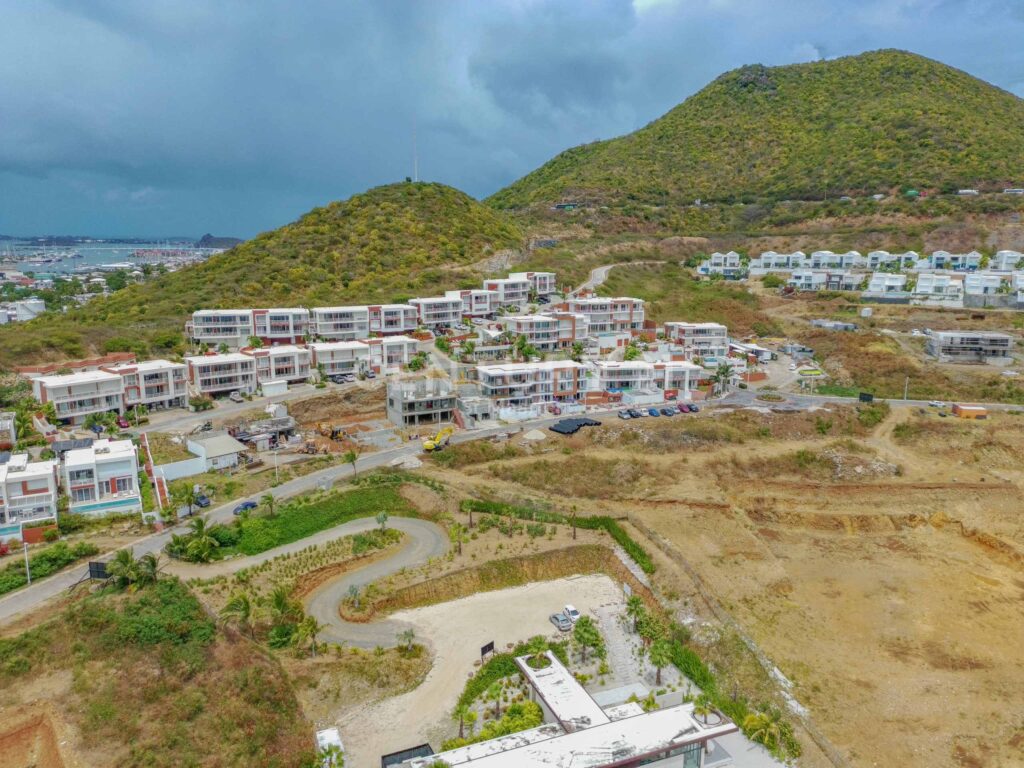
Buying property in St Maarten through an LLC is optional, not required. Foreigners can own Dutch-side real estate freehold in their own name, and a mandatory civil-law notary handles the deed. Some buyers still use a US LLC or a local company for liability, multiple owners, or estate planning. It adds setup and annual costs, so weigh it with your notary and tax advisor.
- Foreign buyers can own Dutch-side property outright; no company and no residency is required to buy.
- Closing costs run about 4 to 6 percent of the price, and there is no annual property tax on the Dutch side.
- A company is mainly used for liability, co-ownership, and estate reasons, not for permission to buy, and your notary should confirm it does what you expect.
- Holding property through a company can change what you report at home, so price the reporting with your tax advisor before you form anything.
Buying property in St Maarten through an LLC: do you need one?
No, you do not need an LLC. On the Dutch side of St Maarten there is no restriction on foreign ownership, so you can buy freehold in your own name. Using a US LLC or a local company is a choice some buyers make for liability or estate reasons, not a legal requirement to purchase.
This surprises a lot of my American and Canadian clients. In plenty of countries a foreigner has to form a local entity or get government approval before holding title. Not here. A civil-law notary is mandatory on every sale, and that notary runs the title search, drafts the deed, holds your money in escrow, and registers you as the owner. That public registration is why US-style title insurance is not the norm here.
So the honest starting point is this: the property does not care whether the owner is a person or a company. An LLC does not open a listing, a price, or a permission that a private buyer cannot already reach. What it changes is how you hold the asset after closing, and that is where the real decision lives. If you want the full walk-through of a standard purchase, I keep it on my buying property in St Maarten page.
Why do some buyers use an LLC or a local company?
Buyers reach for an LLC or a local company for four reasons: liability separation, co-ownership, estate planning, and running the place as a rental business. Whether a company actually delivers the protection you have in mind is a legal question, so have your notary confirm it before you form anything.
- Liability separation. If the property is a short-term rental, some owners prefer the asset to sit inside a company rather than in their personal name. Ask what a company would shield you from, and what your insurance is meant to cover instead.
- Two or more owners. When family members or partners buy together, holding shares in one company can be cleaner than four names on a deed. Settle in writing who can force a sale and how one owner exits.
- Estate and succession planning. Passing shares can be simpler than re-deeding property across borders, but how your home country treats that transfer belongs with your advisor.
- Rental operation. If you are running a real business rather than holding a home, a local company may make sense, and your notary can point you to the local licensing that applies. I keep an overview of the business license application steps.
I have watched people set up a company because they read that it is what everyone does, then pay to maintain it for a condo they use six weeks a year. If the only goal is a personal vacation home, that is often cost and paperwork you do not need. Match the structure to how you will actually use the place.
US LLC vs a local company: which structure fits?
The two common paths are a US LLC that owns the property directly, or a local Sint Maarten company. Your notary can tell you which local company forms exist, how one is set up, and which form the register and the banks will accept. A US LLC keeps everything under your home-country umbrella. A local company keeps the entity in the same place as the asset.
Here are the questions I would put to a notary and a tax advisor first.
| Question to ask | US LLC | Local company |
|---|---|---|
| Where it is formed | United States | Sint Maarten |
| How it is set up | Familiar ground for most US owners | Ask your notary how a local company is formed |
| Local bank account | Ask the bank what a foreign entity must provide | Ask the bank what a local entity must provide |
| Annual upkeep | US filings and fees | Ask about local filings and fees |
| Tax reporting | Confirm with your tax advisor | Confirm with your tax advisor |
| At resale | Ask your notary how a share sale is treated | Ask your notary how a share sale is treated |
There is no single right answer here. Price out the full lifetime cost, setup plus every year you hold it, before you decide. A structure that saves you a headache at sale can cost you steadily in the years in between.
How does buying through a company change closing costs and taxes?
Buying through a company does not change the headline closing costs much. On the Dutch side you should still budget about 4 to 6 percent of the price, roughly 4 percent transfer tax plus about 1 to 1.5 percent notary fee, paid by the buyer. There is no annual property tax on the Dutch side either way, and the seller usually pays the agent commission.
Where a company can matter is at resale. Instead of transferring the property, an owner sometimes sells the shares of the company holding it. Whether that share transfer still triggers transfer tax is exactly the kind of question you put to your notary before you assume any saving, because tax rules tend to be written to catch that move.
The structure is a tool, not a tax trick. Buy the home first, then decide how to hold it.Wei Landgraf, Dutch-side resident agent
For American owners there is a second layer. A company and foreign accounts can change what you file on your US return, and the cost of getting it wrong is real. I am a real estate agent, not a tax authority, so confirm the details with your tax advisor. If you are weighing the Dutch side against the French north, the French side is generally more expensive to buy and to hold, with transaction costs often 7 to 8 percent plus annual taxes. I lay out how the Dutch and French sides compare separately.
What does the closing process look like with a company on title?
With a company on the title, the closing runs the same as a private purchase, plus a document step. The notary still handles the title search, the deed, the escrow, and the registration. The extra work is proving the company exists and proving who controls it, so ask your notary early exactly which company documents and owner identification the local register will accept. Getting that list at the start, not a week before signing, is the best thing you can do to keep a company purchase on schedule.
A realistic order of events looks like this.
- Agree the price and sign a purchase agreement, usually with a deposit into the notary's escrow.
- The notary runs the title search and prepares the deed in the company's name.
- You provide the entity documents, identification, and source-of-funds paperwork the notary asks for.
- Funds clear into escrow, the deed is signed, and the notary registers the new owner.
A company often needs its own account here, so factor in opening a St Maarten bank account and ask the bank early what an entity must provide. Financing exists for qualified foreign buyers with a down payment, but a lender may review a company borrower differently from an individual, so raise it early.
Buying property in St Maarten as an American: what changes?
For an American, the purchase itself is the ordinary freehold process any foreign buyer uses, and owning through an LLC does not add anything a private buyer lacks. What changes sits on your side of the water: reporting at home, currency, financing, and estate planning. The buying rules here are open. The complexity is paperwork you owe back home.
A few things I point out to US buyers. Daily life on the Dutch side runs on the US dollar, even though the official currency is the Antillean guilder, so you are not converting currency for groceries and utilities. Entry is straightforward for a visit: US, Canadian, UK, and EU visitors generally need only a valid passport for stays of up to 90 days, and living here full time means a residence permit. Check the current requirements for your nationality with immigration before you rely on that. And if you hold the property in a company or open accounts here, expect the filing picture at home to change, so confirm the specifics with your tax advisor.
My honest advice on buying property in St Maarten as an American: decide how you will use the place first, then choose the structure. For a personal home, keeping it simple usually wins. For a rental business or a multi-owner investment, a company may earn its keep. Either way, start with real listings and a real budget. Browse current St Maarten real estate before you commit to any structure.
Frequently Asked Questions
Do you need an LLC to buy property in St Maarten?
No. Foreigners can own Dutch-side property freehold in their own name, so an LLC is never required to buy. A civil-law notary handles the title, deed, and registration for any buyer. People use a company for liability, co-ownership, or estate reasons, not for permission to purchase. Confirm the right fit with your notary.
Can a foreigner buy property in St Maarten?
Yes. The Dutch side of St Maarten places no restriction on foreign ownership, so buyers from the US, Canada, the UK, and the EU can hold freehold title. You do not need residency to buy, and the mandatory notary registers you as the owner. Living here full time is a separate residence-permit question, so check the current rule with immigration first.
Is it better to buy St Maarten property in a personal name or a company?
It depends on how you will use the property. For a personal vacation home, holding it in your own name is usually simpler and cheaper. For a rental business, multiple owners, or estate planning, a US LLC or a local company can help. Price the yearly upkeep, and ask your notary and your tax advisor before you decide.
Can an American use a US LLC to buy property in St Maarten?
Yes, an American can hold St Maarten property through a US LLC. The notary sets the document requirements for a company, so ask early what the local register will accept. Holding property through any company can also change what you report on your US return, so confirm that with your tax advisor first.
What are the closing costs when buying through a company in St Maarten?
About the same as a private purchase: roughly 4 to 6 percent of the price on the Dutch side, meaning around 4 percent transfer tax plus about 1 to 1.5 percent notary fee, paid by the buyer. There is no annual property tax, and the seller usually covers the agent commission. Company setup and upkeep are extra.
Does buying property through an LLC avoid property tax in St Maarten?
No. There is no annual property tax on the Dutch side whether you buy in your name or through a company, so a company does not avoid a tax that does not exist. At resale, selling company shares may or may not still trigger transfer tax, so ask your notary before you assume any saving.
