
St Maarten Condos for Sale: A Complete Buyer Guide (2026)
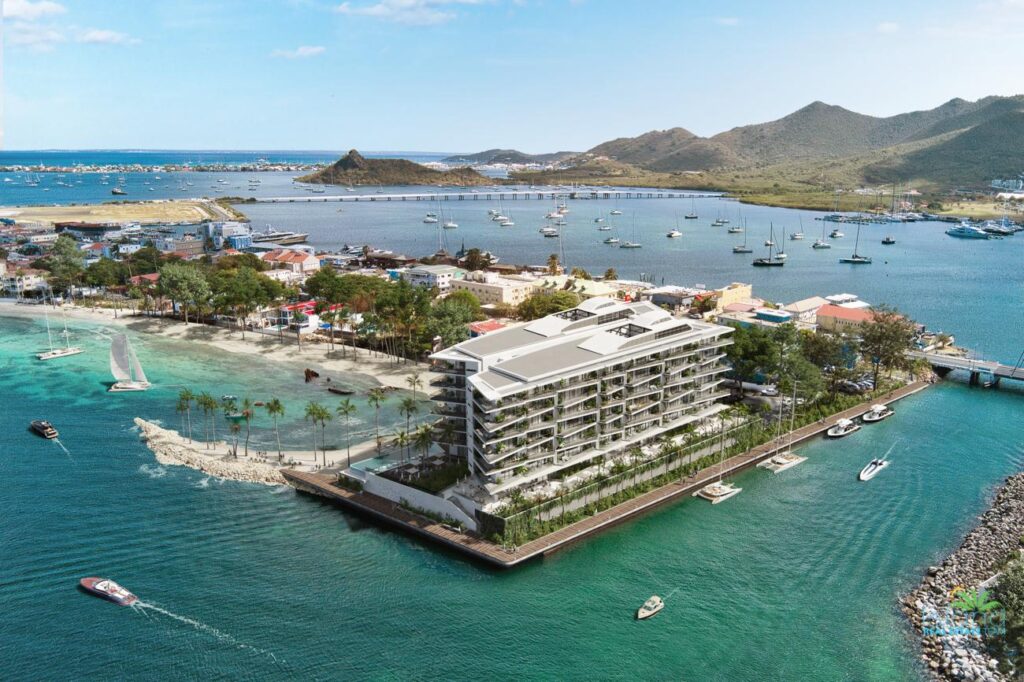
St Maarten condos for sale run the range from Simpson Bay walk-ups to Cupecoy beachfront towers, and on the Dutch side foreigners can buy freehold with no restriction on foreign ownership. Budget about 4 to 6 percent in closing costs, expect no annual property tax, and know that a civil-law notary, not a title company, closes the deal. The seller usually pays my commission.
- On the Dutch side, foreigners can own a St Maarten condo freehold, with no restriction on foreign ownership. Your notary confirms how the ownership should be held in your situation.
- Closing costs run about 4 to 6 percent, roughly 4 percent transfer tax plus a 1 to 1.5 percent notary fee, and the buyer pays them.
- There is no annual property tax on the Dutch side, and everyday prices are quoted in US dollars.
- A civil-law notary, not a title insurance company, handles the title search, escrow, deed, and registration.
How much do St Maarten condos for sale cost in 2026?
St Maarten condos for sale span a wide range, from compact inland units to beachfront towers on the western coast. What a specific unit costs moves with location, view, building age, and whether you buy on the Dutch or the French side. I do not publish a price band on a page like this, because an invented range ages badly and sets the wrong expectation before you have even seen a building. Tell me the area and the size you want and I will pull live comparables for you. On the Dutch side you also pay no annual property tax, which changes the long-term math more than most buyers expect.
That 90 day figure covers US, Canadian, UK, and EU tourists arriving on a valid passport. A longer stay needs a residence permit, and owning a condo here is not the same thing as being allowed to live here full time. Check the current rule with immigration before you build a plan around it, and do not take my word for your specific nationality or situation.
When I show clients St Maarten condos for sale, the biggest price swings come from three things: how close you are to the water, whether the building has a pool and on-site management, and the state of the roof and windows after 2017. A studio a few streets back from the beach in Cole Bay costs far less to buy and to hold than a two-bedroom on the sand in Cupecoy. I always price the monthly HOA fee alongside the purchase price, because a low sticker with a high association fee is not the deal it looks like. Ask me for the fee history on any building you are serious about, not just this year's number, because the direction of travel tells you more than the current figure.
Here is how the one-time buying costs break down as a share of the price on the Dutch side:
Where are the best areas to buy a condo in St Maarten?
The best areas for condos on the Dutch side are Simpson Bay, Cupecoy, Maho, and Pelican Key for beach and marina living, Cole Bay and Indigo Bay for value and views, and Dawn Beach and Oyster Pond for a quieter east coast. Each one carries a different trade-off between nightlife, quiet, price, and rental demand, so the right pick depends on how you actually plan to use the place.
| Area | Best for | Vibe |
|---|---|---|
| Simpson Bay | Restaurants, marina access, walkability | Busy, central, nightlife |
| Cupecoy | Beachfront towers, cliffside views | Upscale, quieter, near the Mullet Bay golf grounds |
| Maho | Beach access and resort energy | Lively, planes landing overhead |
| Pelican Key | Views, gated buildings | Residential, elevated |
| Cole Bay | Value, a first purchase | Central, local, practical |
| Indigo Bay | Newer stock, hillside views | Planned, quiet, car-dependent |
| Dawn Beach and Oyster Pond | Quiet east-coast beach, reefs offshore | Calm, scenic, spread out |
I live on the Dutch side, and I can drive clients through all of these in one loop of the island so they feel the difference instead of guessing from photos. If you want to walk to dinner and rent the unit when you are away, I point you toward condos in Cupecoy or a building in Simpson Bay near the lagoon. If you want calm and a sunrise over the water, Dawn Beach and Oyster Pond feel like a different island, with reefs off the east coast and far less traffic. For a first, lower-cost purchase, Cole Bay keeps you central without paying the beachfront premium.
One thing to know about Oyster Pond before you fall for a listing there: the Dutch and French border runs through that area. Which side a specific unit sits on decides which set of closing costs, taxes, and rules apply to you, and it is not always obvious from the address. Have the notary confirm it in writing before you make an offer. I ask that question on every Oyster Pond property I show, and I would rather raise it early than have it surface at the signing table.
Who pays closing costs, and how does buying a condo work?
On the Dutch side the buyer pays closing costs of about 4 to 6 percent, and the seller usually pays the agent commission. A civil-law notary is mandatory: this office runs the title search, holds your funds in escrow, prepares the deed, and registers you as the owner. That is why US-style title insurance is not the norm here, the notary's registration is doing that work instead.
Financing exists for qualified foreign buyers with a down payment, and what you qualify for is a conversation to have with a local lender before you make an offer, not after. A typical path looks like this: agree on price and terms, sign a purchase agreement, the notary opens escrow and runs the title check, then you both sign the deed and the notary registers it. Timelines vary with price, condition, financing, and how quickly the association produces its paperwork, so I will give you a realistic range for the specific property you are looking at rather than a number that sounds tidy on a blog. For the full detail on St Maarten closing costs and the notary's role, read my buying guide.
The notary is a mandatory office, not your personal advocate, so do not assume someone is representing your interests by default. Ask your notary directly what they do and do not do for you, and ask them to confirm exactly how the transfer tax and their fee are settled at closing in your transaction. I still recommend reading the deed line by line and confirming the condo's ownership share and any outstanding association dues before you sign. For tax residency, or how your home country treats the purchase, confirm with your tax advisor rather than with me.
Two questions save buyers the most grief. First, ask what the association owes and what it is owed, because unpaid dues from other owners quietly limit the building's ability to fix a roof or an elevator. Second, ask the notary what documents they still need from you and start gathering them early: proof of funds and identity checks take longer from abroad than people expect. I chase this paperwork for clients regularly, and a stalled file is almost always a missing document, not a missing buyer.
Should you buy a condo on the Dutch side or the French side?
For most buyers, the Dutch side wins on cost and simplicity: freehold ownership with no restriction on foreigners, closing costs near 4 to 6 percent, and no annual property tax. The French side of Saint-Martin is generally pricier to buy and to hold, with transaction costs often 7 to 8 percent plus yearly taxes. Both sit on one open island: about 34 sq km Dutch, about 53 sq km French, 87 sq km in total.
| Factor | Dutch side (Sint Maarten) | French side (Saint-Martin) |
|---|---|---|
| Foreign ownership | Freehold, no restriction | Foreigners buy on the French side too, but the rules and costs differ, so confirm the details with a French-side notary |
| Closing costs | About 4 to 6 percent | Often 7 to 8 percent |
| Annual property tax | None | Yes |
| Everyday currency | US dollar | Euro |
| Closing handled by | Civil-law notary | French notaire |
You can live on one side and drive to dinner on the other with no border checkpoint to stop at, but the paperwork and the yearly cost of owning are not the same on each side.Wei Landgraf, Dutch-side resident agent
There is no border checkpoint, so you move between the two freely, and plenty of my clients end up eating on one side and sleeping on the other. I still tell buyers that the cost gap is the part they underestimate, even when lifestyle is what pulls them toward one side. If the lower entry cost, no annual property tax, and dollars in your pocket matter most, the Dutch side is the practical answer. If your heart is set on Grand Case as a dining village, or on Terres Basses, the French side is genuinely beautiful, and you plan for the higher taxes and closing costs with your eyes open. Marigot and Philipsburg are two very different capitals, and spending a day in each tells you more than any table can. My full comparison of the Dutch side versus French side goes deeper, and whichever side you choose, confirm the current rules there with a notary on that side before you commit.
What should you check before buying a St Maarten condo?
Before you buy a condo in Sint Maarten, check five things: the monthly HOA fee and what it covers, the building's condition and roof after Hurricane Irma, the rules on short-term rentals, the reserve fund for repairs, and the insurance cost of sitting inside the hurricane belt. Clear title is handled by the notary, which is a sixth item worth confirming before any funds move.
- HOA fees: ask what they cover, such as building insurance, water, security, and the pool, and whether a special assessment is already on the table.
- Storm resilience: Hurricane Irma hit in September 2017, and construction standards improved after. Ask when the roof, windows, and shutters were last updated, and by whom.
- Rental rules: some buildings cap or ban short-term rentals, which matters a great deal if you plan to list the unit.
- Reserve fund: a healthy reserve means owners are not hit with surprise bills for a new roof or elevator.
- Insurance: the island sits inside the hurricane belt, so wind coverage is a real line item. Aruba sits outside the belt, and that difference is priced into ownership here.
- Clear title: the notary runs the title search and registers the deed. Ask them to confirm the title is clean and the ownership share is what the listing says it is.
I walk buyers through association paperwork regularly, and the pattern does not change: the condo that looks cheapest often carries the highest HOA fee or the weakest reserve fund. Ask for two years of association minutes before you fall for a view. If the board will not produce them, that is your answer. Trade winds and hurricane season are simply part of owning here, and a well-maintained building is how you live with both.
Are St Maarten condos a good investment in 2026?
St Maarten condos can be a solid investment because the Dutch side has no annual property tax, real tourist demand for short-term rentals, and a major airport that keeps visitors arriving year round. Returns depend on location, HOA costs, insurance, and how many nights you actually rent. It is worth running the numbers on a specific unit rather than on the island as a whole, and I will not put a yield figure on this page that I cannot stand behind for your building.
Princess Juliana International Airport (SXM) sits on the Dutch side and is a major regional hub with direct flights from the US and Europe, which is the underlying reason visitor demand exists at all. Maho Beach, famous for planes landing overhead, puts you next to one of the busiest stretches of the island, though rental performance still comes down to the building's rules, its occupancy record, and its fees, so ask for those before you assume it rents well. The same discipline applies in Simpson Bay, in Cupecoy, and anywhere else a listing promises income.
Here is what I ask an owner or a board for on your behalf: the last two years of actual occupancy, the gross rent that produced, the HOA fee and its trend, the current insurance premium, and any assessment on the horizon. Subtract all of it and you have a net number you can compare against alternatives. A well-run building in a walkable area usually beats a cheaper unit that sits empty, and a strong reserve fund is worth more over ten years than a slightly lower purchase price. Day trips to Anguilla, Creole Rock, Tintamarre, and the clothing-optional beaches on the French side are why guests keep coming back, and buildings that make those easy to reach tend to hold their appeal. For context on the wider St Maarten real estate market, start there before you shortlist a condo, then send me the unit and I will tell you honestly what I think it does.
Frequently Asked Questions
How much does it cost to buy a condo in St Maarten?
Buying a condo on the Dutch side of St Maarten typically adds about 4 to 6 percent in closing costs on top of the price, made up of roughly 4 percent transfer tax and about 1 to 1.5 percent notary fee. There is no annual property tax on the Dutch side, and the seller usually pays the agent commission. Purchase prices themselves vary too widely by area, view, and building to quote a single honest range, so ask me for live comparables on the building you are considering.
Can foreigners buy condos in Sint Maarten?
Yes. On the Dutch side of Sint Maarten there is no restriction on foreign ownership, so buyers from the US, Canada, Europe, and elsewhere can buy a condo freehold. A civil-law notary handles the title search, deed, and registration, and your notary confirms how the ownership should be held in your situation. Financing is available for qualified foreign buyers with a down payment.
Who pays the closing costs and commission when buying a St Maarten condo?
On the Dutch side, the buyer pays the closing costs, which run about 4 to 6 percent of the price, while the seller usually pays the real estate commission. The mandatory civil-law notary holds all funds in escrow, prepares the deed, and registers you as the owner. Ask your notary to confirm exactly how the transfer tax and their fee are settled at closing in your transaction.
Do you pay annual property tax on a condo in St Maarten?
No. There is no annual property tax on the Dutch side of St Maarten, which is one reason it draws buyers over more expensive jurisdictions. You still budget for monthly HOA fees, insurance, and utilities. Your own home-country tax obligations are a separate question, so confirm those with your tax advisor before you buy.
Is it better to buy a condo on the Dutch side or the French side?
For most buyers the Dutch side is the more affordable choice: freehold ownership, closing costs near 4 to 6 percent, no annual property tax, and US dollars in daily use. The French side of Saint-Martin is generally pricier, with transaction costs often 7 to 8 percent plus annual taxes, and it uses the euro. Confirm the current rules on whichever side you choose with a notary there before you commit.
Are St Maarten condos a good short-term rental investment?
They can be. Princess Juliana Airport sits on the Dutch side and is a major regional hub with direct US and European flights, which is the underlying reason visitor demand exists in areas like Maho and Simpson Bay. Whether a specific condo performs is a separate question: it depends on the building's rules on short-term rentals, its occupancy record, its HOA fees, and insurance inside the hurricane belt. Ask for those figures on the actual unit before you assume it rents well.
