
Indigo Bay St Maarten: Inside the Newest Gated Community (2026)
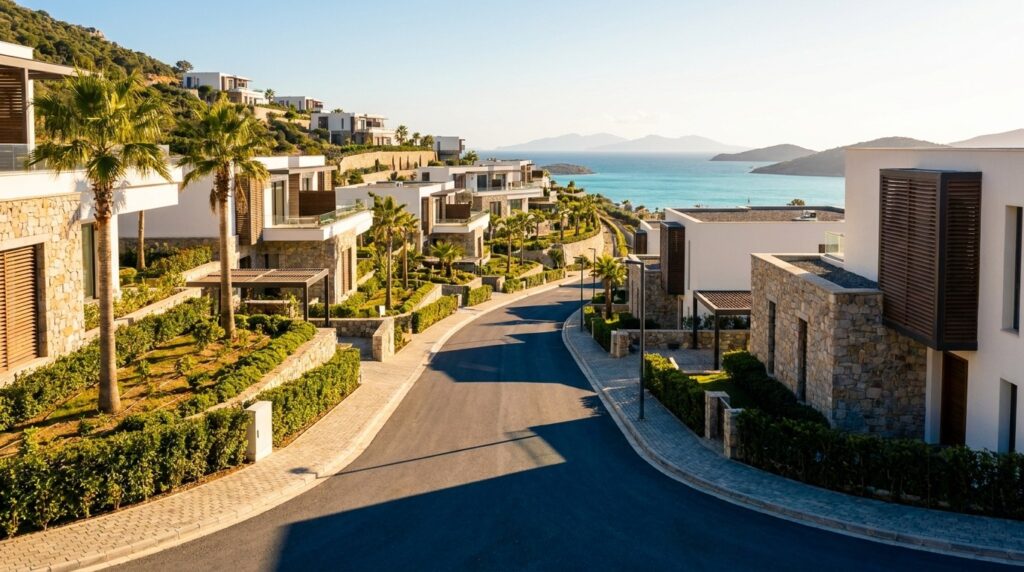
Indigo Bay St Maarten is a gated community on the Dutch side of the island. As a Dutch-side address, foreign buyers can generally own freehold, there is no annual property tax on the Dutch side, and closing costs typically run about 4 to 6 percent of the price. Confirm the exact figures for your property with your notary. It suits buyers who want security, newer construction, and low-maintenance ownership within easy reach of the airport.
- Indigo Bay is a gated community on the Dutch (Sint Maarten) side, where there is no restriction on foreign ownership and no annual property tax.
- Closing costs typically run about 4 to 6 percent of the price, paid by the buyer: roughly 4 percent transfer tax plus about 1 to 1.5 percent notary fee. The seller usually pays the agent commission.
- A civil-law notary is mandatory and handles the title search, deed, escrow, and registration, which is why US-style title insurance is not the norm here.
- Ask me to confirm the current unit mix, amenities, association fees, and rental rules for any specific listing before you fly in.
What is Indigo Bay in St Maarten?
Indigo Bay is one of the Dutch side's newer gated communities, a planned residential development rather than a patchwork of separate lots put up over decades. That is the honest starting point. I show clients around this part of the island regularly, and what draws people to a gated address here is consistency: a controlled entrance, newer construction, and a home you can leave for months without lying awake about it.
I get asked about the unit mix, the amenities, and beach access constantly, and I would rather confirm those for the specific listing you are looking at than repeat a brochure line. Developments move: phases get built, association rules get amended, what the fees cover changes. Before you fly in, I will pull the current facts on any Indigo Bay property you are considering, including what is genuinely on the market today, what the monthly carrying cost looks like, and what the community actually permits.
Because Indigo Bay St Maarten sits on the Dutch side, the buying rules are the straightforward ones I explain to almost every foreign client: no restriction on foreign ownership, a mandatory civil-law notary, and no annual property tax. Here is the shape of the numbers that apply anywhere on the Dutch side, this community included. Closing costs: about 4 to 6 percent of the price, paid by the buyer. Annual property tax: none. Entry: US, Canadian, UK, and EU tourists can generally stay up to 90 days on a valid passport with no visa, though you should check the current rule with immigration before you rely on it. Ownership: freehold, with no restriction on foreign buyers.
Where is Indigo Bay located on the island?
Indigo Bay sits on the Dutch side of the island, a short drive from Philipsburg, Simpson Bay, and Princess Juliana Airport. That is the practical answer most buyers want: close to the capital, the marinas, and the restaurants without living on top of any of them.
Proximity to SXM is the part clients underrate. Princess Juliana is a serious regional hub with direct flights from the United States and Europe, so a Dutch-side base is easy to reach and easy to leave. If you are a part-time owner, that shapes your year more than any floor plan does. From the gate you drop into Cole Bay for hardware stores and groceries and the causeway across the lagoon, and the rest of the Dutch side opens up from there.
It also helps to picture the island itself, because you are not buying a house so much as a base. St Maarten is two nations sharing 87 square kilometres: the Dutch side is roughly 34 square kilometres, the French side roughly 53, and there is no border checkpoint between them. From a Dutch-side home you can drive north for dinner in Grand Case or a market morning in Marigot, sit under the planes coming in low over Maho Beach, walk the old Mullet Bay golf grounds, or head across to the Atlantic-facing east coast where the reefs sit offshore. Trade winds run most of the year and the water on the Caribbean side is generally calmer than the Atlantic side. When clients come out, I put them in the car and show them that range first, because the address only makes sense once you understand what surrounds it.
What is it like to live in Indigo Bay?
Living in a gated community like Indigo Bay means a quiet, secure setting rather than a walkable village. You get a controlled entrance and maintained common areas, and you drive for dining and nightlife. It suits families, remote workers, and part-time owners who value privacy and low day-to-day maintenance over being in the middle of the action.
Day to day, a gated community like this normally carries monthly association fees. Ask for the current fee schedule and the community rules in writing before you make an offer, because the carrying cost, not just the purchase price, is what you actually live with year after year. Four questions do most of the work: what does the fee cover, is there a reserve fund for major repairs, when was the last special assessment, and how is insurance on the common areas handled. The answers tell you more about a community than any listing photo will.
Rental rules are the other thing to pin down early. Short-term rental permissions vary by building and by association, so if you plan to rent the place while you are away, get in writing what your specific unit allows before you sign anything. Do not assume that a neighbour's listing on a booking site means you are cleared to do the same. Where money and rules are concerned, I would rather you be bored by the paperwork now than surprised by it later.
For groceries and errands, residents drive. For a beach day, the Dutch side gives you options, and I will show you exactly what is walkable and what is a drive from the door of the home you are considering rather than let a brochure decide it for you. It is a slower life than the busy resort strips, and for the people who buy into a gate, that is precisely the appeal.
Construction standards on the island improved after Irma in 2017, so newer, gated stock has real advantages. It is not a substitute for doing the work. Read the association rules, ask what the monthly fees cover, and get the insurance situation in writing before you sign.
How much does it cost to buy in Indigo Bay, and who pays what?
When you buy on the Dutch side, budget about 4 to 6 percent of the price in closing costs on top of the purchase price. That is roughly 4 percent transfer tax plus about 1 to 1.5 percent for the mandatory notary. The seller usually pays the agent commission, and there is no annual property tax on the Dutch side. Your notary should confirm the exact figures for your specific property before you commit to anything.
The civil-law notary is the centre of a Dutch-side purchase. This is a public official who runs the title search, drafts the deed, holds your money in escrow, and registers you as the new owner. It is why local buyers do not use US-style title insurance: the notary's process takes the place of it. Ask your notary to walk you through exactly what their title search covers, and do not take my word or anyone else's for what is or is not covered. For a fuller walkthrough of the steps, see my guide to buying property in St Maarten.
Financing exists for qualified foreign buyers who bring a down payment. Lenders set their own terms here, so tell me early if you plan to finance and I will get you into the right conversations before you make an offer rather than after. For anything touching your personal tax exposure back home, verify with your tax advisor. I am a real estate agent, not a tax adviser or a lawyer, and the useful version of my job is knowing where my advice stops. Here is how the Dutch side compares with the French north:
| Item | Dutch side (Indigo Bay) | French side (Saint-Martin) |
|---|---|---|
| Foreign ownership | No restriction, freehold | Different rules, confirm with a French notary |
| Total closing costs | About 4 to 6 percent | Often 7 to 8 percent |
| Annual property tax | None | Yes, annual taxes apply |
| Everyday currency | US dollar | Euro |
| Who handles closing | Civil-law notary, mandatory | Confirm locally |
A gate buys you security and predictability, not a discount. Work out what the upkeep and the newer construction are worth to you, then let the numbers follow.Wei Landgraf, Dutch-side resident agent
I will not print a price range in a blog post, because a stale number is worse than no number. Ask me and I will send what is genuinely on the market in and around the community right now, along with what similar homes have actually been selling for, so you are setting a budget against reality instead of a headline.
How does Indigo Bay compare to other St Maarten neighborhoods?
Compared with other St Maarten neighborhoods, Indigo Bay trades walkable nightlife for privacy and newer, gated construction. Cupecoy and Maho are livelier and more condo-dense; Simpson Bay is the social, marina-centred hub; Dawn Beach is quieter and east-facing. Indigo Bay lands in between: a gated address, a calm evening, and easy reach of the airport.
Every buyer I meet is really choosing a way of living, not just a floor plan. If you want to walk out to bars and restaurants, Cupecoy or Simpson Bay will suit you better. If you want a controlled entrance and a quiet night, a gated community is the stronger call. And if you want a taste of both, remember the French side is a drive away with no checkpoint: Grand Case for dining, Marigot for the market, clothing-optional beaches if that is your thing, and day trips out to Anguilla, Creole Rock, or Tintamarre. The table below is how I frame the main Dutch-side options when I first sit down with a client, and you can dig deeper into any of them across my St Maarten real estate pages.
| Neighborhood | Known for | Best for |
|---|---|---|
| Indigo Bay | Gated, newer construction | Privacy, security, lock-and-leave |
| Cupecoy | Cliffs, condos, nightlife | Lock-and-leave, lively |
| Maho | Beach, casinos, the famous planes | Resort energy, rentals |
| Simpson Bay | Marina, dining, boating | Social, central |
| Dawn Beach | East coast, resorts, calm | Quiet, scenic |
None of that is a ranking, and I am not going to pretend one address wins. The island is small enough that I can drive you through all five in an afternoon, and buyers almost always change their shortlist once they have stood in each of them at the hour of day they would actually be there.
Is Indigo Bay St Maarten worth buying into?
Indigo Bay St Maarten is worth it if you value security, newer construction, and low-maintenance ownership, and you accept that you are paying for the gate, the upkeep, and the newer build rather than for the lowest entry price on the island. Ask me for current comparable listings before you fix a budget. It is a strong fit for part-time owners and remote workers, and a weaker fit for buyers who want a walkable village.
Here is how I coach clients through the decision, in plain terms:
- Buy here if you want a home you can leave for months, a controlled entrance, and construction built to the standards the island adopted after Irma.
- Look elsewhere if you want to step out your door into restaurants, or you are chasing the lowest price per square foot available.
- Either way, read the association documents, confirm the rental rules for your specific unit in writing, and let the notary verify the title and the closing costs before you commit.
Hurricanes are part of owning anywhere in this belt. Sint Maarten sits inside it, and Irma in September 2017 is still the reference point islanders use in conversation. Construction standards on the island improved after Irma, which is one reason I look hard at build quality and age on every property I show. Insurance and construction quality still deserve your questions on any home here, whatever year it went up. If sitting outside the belt matters to you more than anything else on your list, that is a different island: Aruba sits outside it, and I would rather tell you that than sell you something you will regret. I live on the Dutch side, I show clients around the whole island, buyers and sellers alike, and I will walk you through all of it in person.
Frequently Asked Questions
Is Indigo Bay a gated community?
Yes. Indigo Bay is a gated, planned community on the Dutch side of St Maarten, with a controlled entrance. A community like this normally carries monthly association fees covering security and shared upkeep, and the gate and the maintenance are its main draw for part-time owners. Ask me to confirm the current unit mix, amenities, and fee schedule for any specific listing before you make an offer.
Where is Indigo Bay in St Maarten?
Indigo Bay is on the Dutch side of the island, a short drive from Philipsburg, Simpson Bay, and Princess Juliana Airport. Princess Juliana is a major regional hub with direct flights from the United States and Europe, which is what makes a Dutch-side base practical for part-time owners. The French side is a drive north with no border checkpoint.
Can foreigners buy property in Indigo Bay?
Yes. On the Dutch side there is no restriction on foreign ownership, so foreign buyers can generally buy freehold. A civil-law notary is mandatory and handles the title search, deed, escrow, and registration, and your notary should confirm how ownership will be registered for your specific property. Financing is possible for qualified foreign buyers who bring a down payment, and lenders set their own terms.
Does Indigo Bay have a beach?
Beach access is one of the first things buyers ask about, and it is exactly the kind of detail I confirm per listing rather than guess at, because it can differ by phase and by building. The Dutch side's Caribbean-facing water is generally calmer than the Atlantic-facing east coast. Tell me which home you are looking at and I will confirm what beach access actually comes with it.
How much are closing costs when buying in Indigo Bay?
Budget about 4 to 6 percent of the purchase price for closing costs on the Dutch side, paid by the buyer. That is roughly 4 percent transfer tax plus about 1 to 1.5 percent for the mandatory notary. The seller usually pays the agent commission, and there is no annual property tax on the Dutch side. Let the notary confirm the exact figures for your property.
Is Indigo Bay a good place to live in St Maarten?
It is, if you want privacy, security, and low-maintenance living within easy reach of the airport and Philipsburg. It is quieter than Maho or Simpson Bay, and errands mean a drive. It suits families, remote workers, and part-time owners. Buyers who want a walkable village may prefer Cupecoy or Simpson Bay, and I am happy to show you both before you decide.
Whatever brought you to this page, the practical order is usually the same. Documents come first, and they are simpler than they look: check whether you need a passport for entry, then file the free digital embarkation card, which every arriving traveller must complete and which several paid lookalike sites will charge you thirty dollars to submit on your behalf. After that comes a real stay rather than a resort week — ten days somewhere teaches you more about traffic, noise and the walk to a supermarket than any viewing will. Test the busy end of the island from a marina-view apartment on the Simpson Bay strip, or the quiet end from a quieter condo in Cupecoy.
Only then does property become a useful conversation. First-time buyers often look east, where a two-bedroom apartment in Point Blanche sits minutes from Philipsburg and the cruise port without carrying Cupecoy pricing. If you are certain about the island but not the neighbourhood, rent for a year first — a three-bedroom penthouse in Cupecoy, furnished with a private pool near CIA, AUC and Mullet Bay, is built for exactly that look-around. Commercial buyers are a separate case: the Front Street retail space in Philipsburg is a fitted 140 m² showroom on the cruise-passenger corridor, and spaces there rarely come up ready to trade.
One thing sits outside all of this and derails more plans than anything else. If you are retiring here, settle healthcare before you shortlist a single property, because Medicare will not cover you here and the private cover that replaces it is a fixed annual cost that belongs in your budget from the start. Work out that number first, then look at houses. When you are ready to turn a budget into specific
