
Best Area to Stay in St Maarten Dutch Side: Local Guide (2026)
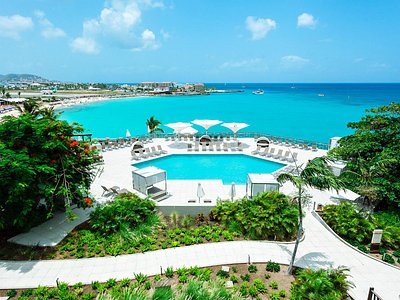
The best area to stay in St Maarten Dutch side is Simpson Bay for most visitors: central, walkable to a wide choice of restaurants, a short drive from SXM airport, and on a calm swimmable beach. For quiet, choose Dawn Beach, Oyster Pond, or Guana Bay. Cupecoy and Maho suit condo and resort stays. US, Canadian, UK, and EU visitors generally need only a valid passport for stays up to 90 days, so check the current rule for your nationality before you book. Daily life on the Dutch side runs on US dollars.
- Simpson Bay is the most convenient base: central location, a lot of restaurants within walking distance, and a short drive to Princess Juliana (SXM) airport.
- Dawn Beach, Oyster Pond, and Guana Bay on the east coast trade nightlife for quiet mornings and thin crowds, though the water is not uniformly calm.
- Maho and Cupecoy are the resort and condo cluster, home to the famous Maho Beach plane-landing view.
- US, Canadian, UK, and EU visitors generally need only a valid passport for stays up to 90 days, and the Dutch side runs on US dollars. Verify entry rules with immigration before you rely on them.
What is the best area to stay in St Maarten Dutch side?
For most visitors, the best area to stay in St Maarten Dutch side is Simpson Bay: it puts you near the airport, gives you a lot of restaurants within walking distance, and sits on a calm swimmable beach. If you want quiet, pick Dawn Beach or Oyster Pond instead. Cupecoy and Maho suit resort seekers who want condos and casinos.
I live on the Dutch side, so this is ground I cover every week with clients. St Maarten is one island split between two nations: the Dutch south, Sint Maarten, is about 34 square kilometers, and the French north, Saint-Martin, is about 53 square kilometers, which makes 87 square kilometers in total. There is no border checkpoint, so where you sleep matters less than it sounds. You can drive across without stopping for anyone. Still, your base sets the tone of the trip, and the Dutch side is where the airport, the marinas, and most of the nightlife sit.
Here is the honest framing I give people who ask me to show them around. The island is small, so you are never far from anything, but the west end and the east coast feel like two different vacations. The west, around Simpson Bay and Maho, is dense, social, and a little chaotic: boats, bars, casinos, aircraft overhead. The east, from Dawn Beach down to Guana Bay, is residential and slow: trade winds, open Atlantic, and very little to do after dark. Decide which of those two moods you actually want, and the specific area almost picks itself.
Two more things worth knowing before you book. First, hurricane season runs through the late summer and autumn, and the island sits inside the hurricane belt. Hurricane Irma hit in September 2017 and construction standards improved after it, which is why newer buildings tend to feel sturdier than older ones. Second, the Dutch side is not a resort monoculture. There are grocery stores, schools, and normal neighborhoods behind the beach strips, and that is what you are really testing if you are here to scout rather than sunbathe.
Where to stay in St Maarten for restaurants and nightlife: Simpson Bay, Maho, Cupecoy
Stay in Simpson Bay, Maho, or Cupecoy for the busiest side of the island. Simpson Bay has one of the busiest restaurant strips on the island, Maho brings casinos and the airport-beach spectacle, and Cupecoy leans toward modern condos on the cliffs. All three sit on the west end, close to SXM airport.
Simpson Bay is where I send first-time visitors who want to walk to dinner. You can eat somewhere different every night, from local lolos serving ribs and johnny cakes to sushi and steakhouses, and the boardwalk along the lagoon fills up after dark. The trade-off is aircraft noise on approach and traffic on the main road in high season. If you are a light sleeper, ask specifically which way your room faces before you book, because the same building can be peaceful on one side and loud on the other.
Just west, Maho is built around resorts, a casino strip, and Maho Beach, where jets pass low over the sand on their way into Princess Juliana. It is loud in the best and worst senses. Cupecoy next door is calmer and more residential, with cliffside condo buildings and long sunset views over the water, which is why a lot of the buyers I show around end up looking there. Cupecoy suits a longer stay: you get a kitchen, a pool, and enough distance from the noise to sleep.
One practical note from living here. Traffic on the main road through Simpson Bay backs up when the lagoon bridge is open for boats, and staying on the airport side of it is one less thing to plan around when you have an early flight. Ask your host which side of the bridge you are on, and give yourself margin either way. That single crossing is the reason people who have been here a while talk about the island in terms of which side of the lagoon you are on rather than raw distance.
What is the best part of St Maarten to stay for a quiet beach?
For a quiet beach, the best part of St Maarten to stay is the east coast: Dawn Beach, Oyster Pond, and Guana Bay. These face the Atlantic, so mornings are still and crowds are thin, though the water is not uniformly calm: Oyster Pond is protected, while Guana Bay has real surf and is not a swimming beach for everyone. Pelican Key and Indigo Bay, just south of the busy strip, are calmer picks that keep you close to town.
The east coast is my personal favorite for a slow week. Oyster Pond sits around a protected marina in the area where the Dutch and French sides meet, so you get sheltered water and easy boat access, plus the small novelty of walking between two countries without showing anyone a document. Guana Bay next door is a residential stretch of sand with strong surf, rip currents on some days, and almost no commercial noise. Dawn Beach has a couple of resorts but stays low-key, and there is reef off the east coast, so the snorkelling is worth the trip even if the swimming is not always easy.
What to ask before you book on the east side: is there a car included or nearby, how far is the nearest grocery, and is the beach in front of the property swimmable in the season you are coming. Trade winds hit this coast first, which is exactly why it is cooler and quieter, and also why the water can be lively.
If this is your first trip and you plan to rent a car anyway, I usually suggest a night or two in Simpson Bay to get your bearings, then move east to Dawn Beach or Guana Bay to actually relax. A short drive changes the whole pace of the day.
How do the best places to stay in St Maarten Dutch side compare?
Here is how the main Dutch-side areas compare. Simpson Bay wins on convenience and dining, Maho and Cupecoy on resorts and condos, and the east coast on quiet. Philipsburg, the Dutch capital, is best for cruise-day shopping and history rather than an overnight base. Pick by the mood you want, not by the map.
| Area | Best for | Vibe | Airport access |
|---|---|---|---|
| Simpson Bay | Restaurants, nightlife, first-timers | Busy, central | Closest to the airport |
| Maho | Resorts, casinos, plane spotting | Loud, lively | Right by the airport |
| Cupecoy | Condos, sunsets, longer stays | Quieter, modern | Short drive from the airport |
| Dawn Beach / Oyster Pond | Quiet mornings, couples | Quiet, scenic | Farther from the airport, across the island |
| Guana Bay | Residential calm, surf | Very quiet | Farther from the airport |
| Philipsburg | Shopping, cruise day, history | Bustling by day | A drive from the airport |
Distances are short by mainland standards on an island of 87 square kilometers, but the roads bottleneck around the lagoon crossing in Simpson Bay, and cruise-ship days pack Philipsburg. That is why your choice of base matters more than the map suggests. If you want the honest version: nobody regrets renting a car here, and almost everybody regrets booking a room without asking which way it faces.
Should you stay on the Dutch side or the French side (Sint Maarten vs Saint-Martin)?
Stay on the Dutch side for nightlife, the airport, US dollars, and more mid-range options. Choose the French side, Saint-Martin, for dining in Grand Case, the beach at Orient Bay, and a European feel, though it generally costs more to visit and to own. Because there is no border checkpoint, many visitors book on the Dutch side and drive north for dinner.
On the French side you pay in euros, and restaurants and hotels tend to run higher. The upside is Grand Case, a dining village that a lot of people call the culinary capital of the Caribbean, and Orient Bay, one of the region's most famous beaches, with clothing-optional stretches at the far end. Marigot is the French capital and market town, and Terres Basses is the quiet villa corner. Those names sit alongside Philipsburg and Simpson Bay in the way people talk about the island. From either side you can take a boat out to Creole Rock or Tintamarre for snorkelling, or run a day trip to Anguilla.
The buying picture is different from the visiting picture. On the French side, transaction costs are often in the range of 7 to 8 percent and there are annual taxes to carry, while the Dutch side has no annual property tax on the books today. Do not take that from me as settled: verify it with your notary and a tax advisor for your own situation. I break down the full split in my guide to St Maarten vs St Martin, but for a first visit centered on convenience, the Dutch side is the easier home base.
There is no checkpoint between the two sides. Sleep where the logistics are easy and eat wherever the mood takes you.Wei Landgraf, Dutch-side resident agent
Which area should you stay in if you are thinking about buying or moving?
If you are scouting to buy or relocate, treat your stay as a test drive: base yourself in the neighborhood you are considering, not on a hotel strip. As I understand it, there is no restriction on foreign ownership on the Dutch side, buyer closing costs generally run about 4 to 6 percent, and there is no annual property tax, though you should confirm all of that with your notary and your tax advisor before you rely on it. Spend nights in two or three areas first.
This is the part I care about as an agent. A week in a resort tells you nothing about grocery runs, water pressure, generator noise, or what the road sounds like at seven in the morning. When people ask me where to buy, I tell them to rent in Cole Bay or Cupecoy for the practical side of the island, or Dawn Beach and Oyster Pond if they want calm, then compare notes. Walk the same street on a Tuesday and a Saturday. Check how the building held up and what was rebuilt after 2017. My full inventory and area notes live on my St Maarten real estate page, and if you are relocating rather than vacationing, start with my guide to moving to SXM.
On the money side, the Dutch-side closing cost range is usually made up of roughly 4 percent transfer tax plus about 1 to 1.5 percent in notary fees, and the seller normally pays the agent commission. Financing does exist for qualified foreign buyers with a down payment. Those are the figures I work from, and the numbers for your specific property should come from the notary handling it, not from a blog post.
Verify the legal, tax, and immigration specifics before you commit. A civil-law notary is mandatory on the Dutch side and handles the title search, deed, escrow, and registration, which is why US-style title insurance is not the norm here. If you plan to stay past a tourist visit you need a residence permit, and you should check the current rule with immigration rather than trusting a timeline you read online. I can walk you through the areas. The notary makes it official.
Frequently Asked Questions
What is the best area to stay in Sint Maarten for first-time visitors?
For a first trip, Simpson Bay is the best area to stay in Sint Maarten. It is central, walkable to a lot of restaurants, a short drive from SXM airport, and on a calm beach. From there you can reach the other beaches or cross to the French side without much of a trip, since there is no border checkpoint.
Is Maho or Simpson Bay better to stay in St Maarten?
Both sit on the busy west end. Simpson Bay is better for restaurant variety and a central base, while Maho is better if you want a resort, a casino, and the famous plane-landing beach. Maho is louder and more of a compound. Simpson Bay feels more like a neighborhood you can explore on foot.
What is the best part of St Maarten to stay for a quiet, relaxing trip?
For quiet, stay on the east coast: Dawn Beach, Oyster Pond, or Guana Bay. These Atlantic-facing areas have still mornings, thin crowds, and little nightlife. The water is not uniformly calm, though: Oyster Pond is protected, while Guana Bay has real surf. Pelican Key and Indigo Bay are calmer options that still sit close to Simpson Bay's restaurants, which is a good middle ground for many couples.
Do you need a visa to stay in St Maarten?
Generally no. US, Canadian, UK, and EU visitors normally need only a valid passport to stay on the Dutch side for up to 90 days, with no tourist visa required. If you plan to live here or stay longer, you need a residence permit. I am not an immigration adviser, so check the current rule for your nationality with immigration before you rely on it.
Should I stay on the Dutch side or French side of St Maarten?
Stay on the Dutch side for the airport, nightlife, US dollars, and more mid-range prices. Stay on the French side, Saint-Martin, for Grand Case dining, Orient Bay, and a European feel at a higher cost. There is no border checkpoint, so most visitors base on one side and drive across freely.
Which area should I stay in if I want to buy property in St Maarten?
Base yourself in the area you are considering, not a resort. I suggest Cole Bay or Cupecoy for everyday practicality, or Dawn Beach and Oyster Pond for quiet living. Renting for a week or two shows you the traffic, noise, and grocery runs that a hotel hides. Buyer closing costs on the Dutch side generally run about 4 to 6 percent, but confirm the costs and the rules with your notary and tax advisor for your own situation.
