
Is St Maarten a Good Place to Invest in Property? (2026)
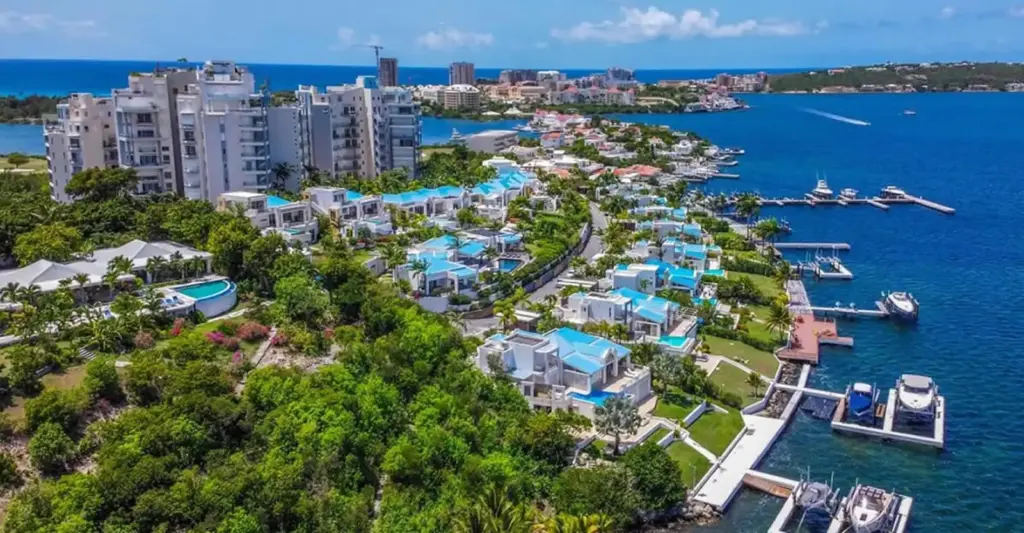
St Maarten can be a good place to invest, but only with your eyes open. The real advantages are genuine: no annual property tax on the Dutch side, freehold ownership for foreigners, the US dollar in daily use, a busy airport with direct US and European flights, and steady short-term rental demand. The real risks are just as genuine: the island sits in the hurricane belt, the market is small so selling can take time, and transaction and rental taxes eat into returns. It suits a patient buyer, not someone chasing a quick flip.
- Advantages: no annual property tax, freehold for foreigners, US dollar, direct flights, real rental demand.
- Risks: hurricane belt, a small and less liquid market, and transaction plus rental taxes.
- Buyer closing costs run about 4 to 6 percent, and the seller usually pays the agent commission.
- It suits a patient, income-and-lifestyle buyer, not a quick-flip investor.
What makes St Maarten attractive to property investors?
A few things here genuinely stack in an investor's favor, and I say that as someone who lives and works this market. The Dutch side charges no annual property tax, foreigners can own freehold with no restriction, and daily life runs on the US dollar, so North American buyers are not carrying currency risk on their spending. The airport is a real regional hub with direct flights from the US and Europe, which keeps a steady flow of visitors, and that feeds a busy short-term rental market.
Put simply, the demand is real and the holding costs are lower than most places Americans compare against. That combination is why the island keeps drawing second-home and rental buyers.
What are the real risks of buying here?
I would rather you hear the risks from me than find them later. First, St Maarten sits in the hurricane belt. Hurricane Irma hit in September 2017 and it was serious. Construction standards improved a great deal after, and well-built concrete properties came through later storms far better, but this is a real factor you insure and build around, not one you ignore. An island like Aruba sits outside the belt, and some buyers weigh that.
Second, this is a small market. That cuts both ways: demand is steady, but when you sell, the pool of buyers is smaller than a big-city market, so patience matters. Third, while there is no annual property tax, there are transaction costs and rental taxes that eat into returns.
St Maarten rewards the patient buyer who wants income and lifestyle, not the one chasing a fast flip.Wei Landgraf, Dutch-side resident agent
What does it cost to buy and hold?
On the Dutch side, buyer closing costs run about 4 to 6 percent of the price, roughly 4 percent transfer tax plus a 1 to 1.5 percent notary fee, and the seller usually pays the agent commission. A civil-law notary is mandatory and handles the title search, deed, and registration, which is why local buyers do not use US-style title insurance. Holding is where the island is kind: no annual property tax. If you rent the place out, factor in the 5 percent room tax guests pay and income tax on your rental income.
Is it better as a rental or a second home?
Honestly, the strongest cases here are the ones where it is both. A well-located condo that you use part of the year and rent the rest gives you lifestyle plus income, and the no-annual-property-tax setting makes that math friendlier than most. Pure appreciation plays are harder in a small market, and pure flips are risky. If income is the goal, read my guide to buying an Airbnb here and my page on St Maarten investment property.
The buyers who do well here treat it as a long hold with real use, not a spreadsheet flip. If you want to know how a specific property would actually perform, that is a conversation I am happy to have with real numbers.
Who is St Maarten a good investment for?
It fits a patient buyer who wants a mix of lifestyle and income and plans to hold for years. It fits someone who will insure properly and buy solid construction. It fits a rental owner who will run the place well or pay someone to. It does not fit a quick-flip investor, or someone who cannot stomach the hurricane risk, or someone who needs to sell fast on a set date. If you are in the first group, the island has a lot going for it. For the full process, start with buying property in St Maarten.
Frequently Asked Questions
Is St Maarten a good place to invest in property?
It can be, for a patient buyer who wants lifestyle plus income. The advantages are real: no annual property tax on the Dutch side, freehold for foreigners, the US dollar, direct flights, and steady rental demand. The risks are the hurricane belt, a small and less liquid market, and rental taxes.
Do foreigners pay annual property tax in St Maarten?
No. There is no annual property tax on the Dutch side, which is one of the island's genuine advantages for investors. You do pay buyer closing costs of about 4 to 6 percent when you purchase, and rental income and room tax apply if you let the property.
Is St Maarten safe to invest in given hurricanes?
The island is in the hurricane belt, and Hurricane Irma in 2017 was serious. Construction standards improved substantially after, and solid concrete builds fare far better. It is a real factor you insure and build around, not one to ignore. Aruba, by comparison, sits outside the belt.
How much does it cost to buy property in St Maarten?
On the Dutch side, buyer closing costs run about 4 to 6 percent of the price, roughly 4 percent transfer tax plus a 1 to 1.5 percent notary fee. The seller usually pays the agent commission, and a civil-law notary handles the deed and registration.
Is St Maarten better for rental income or appreciation?
Rental income and lifestyle use are the stronger cases here, especially with no annual property tax. Pure appreciation or quick flips are harder in a small market. The best-performing buys are usually condos owners use part of the year and rent the rest.
